Hormones and Depression in Females: What Quietly Shapes the Mood
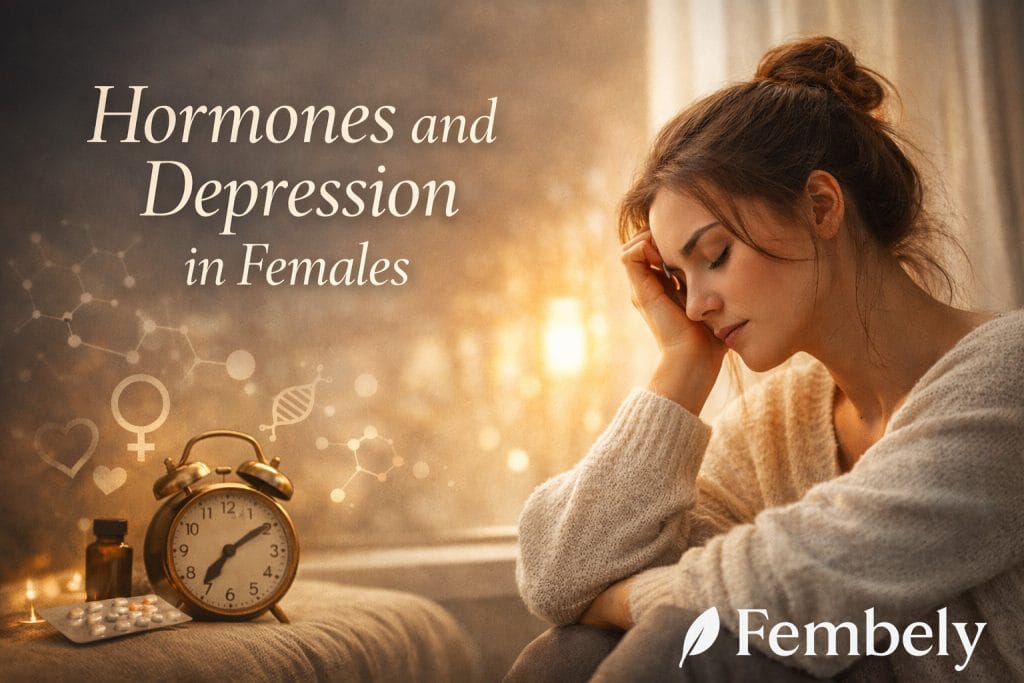
Hormones and Depression in Females: What Quietly Shapes the Mood is a conversation many women recognize without ever naming. There are weeks when energy feels effortless, decisions seem clearer, and social plans sound appealing—and then there are days when the same life suddenly feels heavier, more fragile, or strangely disconnected. Often, the shift isn’t about circumstances at all. It’s about chemistry, timing, and rhythms inside the body that rarely receive the same attention as deadlines, relationships, or responsibilities.
— ✨ —
The Overlooked Link Between Hormones and Depression in Females
The relationship between hormones and depression in females is rarely simple. It doesn’t follow a neat pattern or a single cause-and-effect formula. Instead, it tends to appear in waves—subtle emotional dips, sudden irritability, unexplained fatigue, or that familiar sense of being emotionally “off” without a clear reason.
Many women notice these shifts around predictable life moments: before menstruation, after childbirth, during intense stress, or in the years leading to menopause. Yet these experiences are often dismissed as moodiness or personality traits rather than biological responses.
What makes hormones and depression in females particularly complex is that emotional responses are layered. Hormones don’t operate in isolation. They interact with sleep patterns, stress levels, nutrition, past emotional experiences, and even social expectations. This is why two women can go through the same hormonal phase and feel completely different emotionally.
— ✨ —
Why Hormonal Changes Feel Emotional, Not Just Physical
Hormones influence the brain’s emotional centers in ways that are both subtle and powerful. Estrogen, progesterone, thyroid hormones, and cortisol all play roles in regulating mood, energy, motivation, and emotional resilience.
When these hormones fluctuate, neurotransmitters associated with pleasure, calmness, and emotional stability may also shift. The result isn’t always dramatic sadness. Sometimes it appears as:
- A sudden loss of motivation
- Increased sensitivity to criticism
- Social withdrawal
- Sleep disruptions
- A quiet sense of emotional heaviness
These symptoms often go unnoticed because they don’t always look like classic depression. Instead, they feel like “just a bad week” or “one of those days.”
In reality, the emotional effects of hormones and depression in females often exist on a spectrum rather than as a single diagnosis.
— ✨ —
Recommended Reading:
Symptoms of High Cortisol in Women
Hormones and Depression in Females During the Menstrual Cycle
For many women, the menstrual cycle is the first time they notice how hormones affect mood. The emotional landscape of a cycle rarely stays consistent from week to week.
During the early phase of the cycle, rising estrogen levels may bring:
- Improved focus
- Increased confidence
- Higher energy
Mid-cycle, some women report feeling more social, expressive, or motivated. Then comes the late phase, when hormone levels shift again. This is when emotional changes often appear.
A typical scenario might look like this:
A woman who felt confident in meetings two weeks earlier suddenly starts second-guessing her ideas. Social invitations feel exhausting. Minor inconveniences trigger disproportionate frustration. Nothing catastrophic has happened—yet her emotional tolerance feels lower than usual.
This is where hormones and depression in females begin to overlap. For some, these changes are mild and manageable. For others, they can be intense enough to disrupt work, relationships, or self-esteem.
— ✨ —
When PMS Becomes Emotional Overload
Premenstrual emotional changes are often minimized, but they can be deeply disruptive. Some women experience:
- Sudden sadness without a clear cause
- Heightened anxiety
- Emotional detachment
- Irritability that feels out of character
The difficulty is not just the symptoms themselves, but the predictability of them. Knowing that a certain week every month will feel heavier can create a sense of dread, even when life is otherwise stable.
This cycle-based version of hormones and depression in females can be especially confusing because the emotional state often lifts again once the hormonal phase passes. That temporary nature sometimes leads women to question their own experiences.
— ✨ —
Pregnancy, Postpartum, and the Emotional Whiplash Effect
Few life stages demonstrate the intensity of hormones and depression in females as clearly as pregnancy and the postpartum period.
During pregnancy, hormone levels rise dramatically. Some women feel emotionally radiant and calm. Others experience anxiety, mood swings, or unexplained sadness despite being excited about the pregnancy.
Then comes the postpartum phase, where hormone levels drop quickly. This sudden shift can feel like emotional whiplash.
Imagine this:
A new mother sits in a quiet room while her baby sleeps. The moment is peaceful. Yet instead of relief, she feels a heavy sense of dread or sadness. Nothing in the room explains the feeling. The baby is healthy. The environment is calm. Still, the emotional weight persists.
This is one of the most recognizable examples of hormones and depression in females. The emotional state doesn’t always reflect the reality of the situation. It reflects the biological adjustment happening beneath the surface.
— ✨ —
Hormones and Depression in Females During Perimenopause and Menopause
Another significant phase occurs in midlife, when estrogen and progesterone levels begin to fluctuate more unpredictably.
Perimenopause is not a single moment. It can last years, often beginning with subtle signs:
- Sleep disturbances
- Irritability without clear cause
- Lower stress tolerance
- Sudden emotional sensitivity
A woman who once managed a demanding schedule with ease may find herself overwhelmed by tasks that previously felt simple. She might assume the cause is aging, stress, or burnout, without realizing that hormonal shifts are part of the picture.
This stage of hormones and depression in females often feels confusing because it overlaps with major life transitions—career changes, children leaving home, aging parents, or shifts in identity.
The emotional impact is rarely about hormones alone. It’s about the intersection of biology and life circumstances.
— ✨ —
Why Common Advice About Mood Often Falls Short
Many women receive the same standard advice when experiencing mood changes:
- “Just exercise more.”
- “Try to think positively.”
- “Reduce stress.”
While these suggestions can be helpful, they often ignore the deeper reality of hormones and depression in females. Emotional changes tied to hormonal cycles aren’t always responsive to willpower or motivation alone.
For example:
A woman might maintain a consistent workout routine, eat well, and sleep enough, yet still experience intense emotional dips at certain points in her cycle. When lifestyle changes don’t immediately “fix” the problem, it can lead to frustration or self-blame.
The truth is that hormonal mood shifts are often cyclical and biological. Lifestyle habits support emotional health, but they don’t erase the underlying hormonal rhythms.
— ✨ —
The Role of Stress Hormones in Emotional Burnout
Cortisol, often called the stress hormone, plays a crucial role in the conversation around hormones and depression in females.
When stress becomes chronic—long work hours, emotional labor, family responsibilities—cortisol levels may stay elevated. Over time, this can lead to:
- Emotional exhaustion
- Anxiety
- Sleep disruptions
- Depressive feelings
Unlike cycle-based hormonal changes, stress-related hormone imbalances often build slowly. They don’t arrive in predictable waves. Instead, they accumulate quietly.
A woman might notice that she no longer feels excited about things she once loved. Social interactions feel draining. Even small decisions feel overwhelming. These aren’t always signs of a dramatic depressive episode. Sometimes, they’re the emotional footprint of long-term hormonal stress responses.
— ✨ —
Thyroid Health and Hidden Emotional Shifts
Thyroid hormones also influence energy levels and mood stability. When thyroid function becomes imbalanced, emotional symptoms may appear before physical ones.
Some women experience:
- Persistent fatigue
- Low motivation
- Subtle depressive feelings
- Brain fog or difficulty concentrating
Because these symptoms can resemble everyday stress, thyroid-related aspects of hormones and depression in females are often overlooked.
The emotional state may feel like burnout or sadness, when in reality it’s a reflection of slowed metabolic processes.
— ✨ —
Emotional Patterns Across Different Life Stages
One of the most important truths about hormones and depression in females is that emotional experiences often follow life stages rather than a single timeline.
Common emotional patterns include:
Adolescence:
Mood swings linked to hormonal surges, social pressure, and identity formation.
Reproductive years:
Cycle-related emotional changes, pregnancy-related mood shifts, and stress from balancing multiple roles.
Midlife:
Perimenopausal fluctuations combined with major life transitions.
Each stage carries its own emotional rhythm. What feels overwhelming in one phase may feel manageable in another.
— ✨ —
When Hormonal Depression Feels Like a Personality Change
One of the most unsettling aspects of hormones and depression in females is the sense of becoming a different person emotionally.
A woman who usually feels confident may suddenly feel insecure. Someone who enjoys social gatherings may start canceling plans. A person known for patience may feel irritable without knowing why.
These shifts often create internal confusion:
- “Why am I reacting like this?”
- “This isn’t who I am.”
- “What’s wrong with me lately?”
In many cases, nothing is “wrong” in a permanent sense. The emotional state may simply reflect a temporary hormonal phase.
Understanding this distinction can reduce self-blame and help women view emotional fluctuations with more compassion.
— ✨ —
Recommended Reading:
Upper Body Workout for Beginners at Gym Woman
Living with the Rhythms of Hormones and Depression in Females
Rather than trying to eliminate hormonal mood changes entirely, many women find relief in learning their emotional patterns.
This might involve:
- Noticing which weeks feel heavier or lighter
- Adjusting social plans around energy levels
- Allowing more rest during emotionally low phases
- Recognizing that certain feelings may pass with hormonal shifts
Instead of forcing constant productivity or emotional consistency, this approach respects the body’s natural cycles.
Over time, this awareness can transform hormones and depression in females from a mysterious burden into a more predictable emotional rhythm.
— ✨ —
A More Compassionate Perspective on Hormonal Mood Changes
The conversation around hormones and depression in females is slowly becoming more nuanced. Emotional fluctuations are no longer seen solely as weakness or instability. They are increasingly recognized as biological experiences that intersect with daily life.
This shift in perspective encourages:
- Greater emotional self-awareness
- More realistic expectations of mood stability
- Less stigma around hormonal mental health
When emotional changes are understood in context, they often feel less threatening and more manageable.
— ✨ —
A Gentle, Practical Way Forward
Understanding hormones and depression in females doesn’t mean accepting emotional distress as inevitable. It means recognizing patterns, responding with care, and making space for emotional shifts instead of fighting them constantly.
Small, realistic adjustments can make a meaningful difference:
- Planning demanding tasks during higher-energy phases
- Prioritizing sleep during emotionally sensitive periods
- Seeking emotional support when mood changes feel overwhelming
- Tracking emotional patterns to understand personal rhythms
Emotional stability rarely comes from controlling hormones perfectly. It often grows from understanding them.
For more thoughtful insights into women’s emotional health, lifestyle rhythms, and modern self-care perspectives, explore the editorial guides and features waiting at https://fembely.com/. 💫