Common Hormonal Disruptions and Ways to Restore Balance
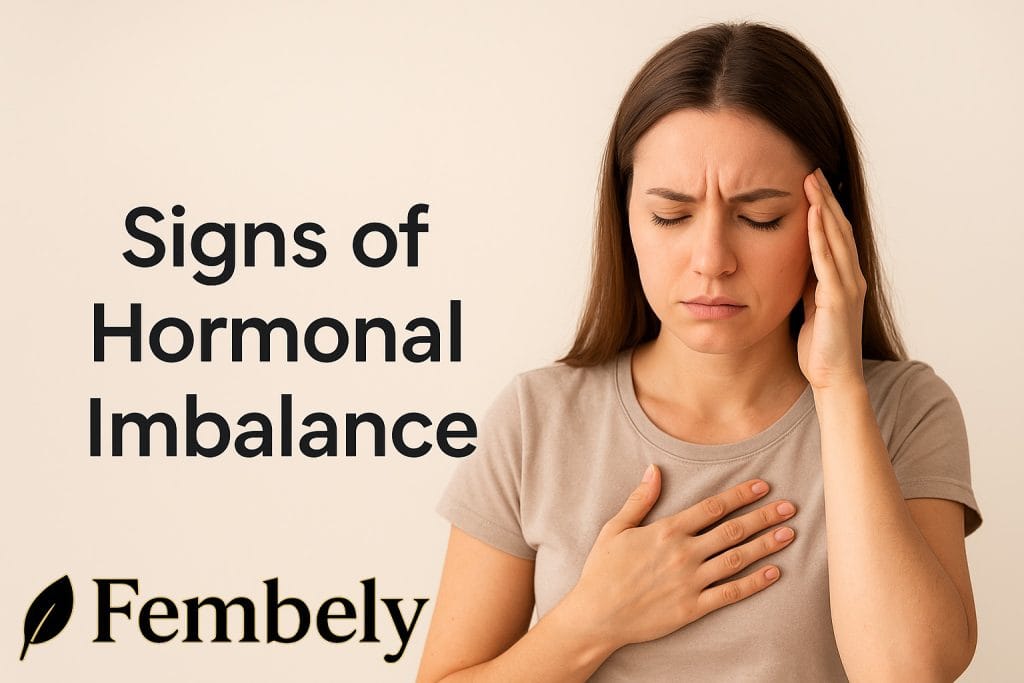
Signs of Hormonal Imbalance – Hormones are the silent leaders behind almost everything happening in our bodies. From mood and metabolism to sleep, skin health, energy levels, and fertility, hormones influence how we feel and how we show up in everyday life. When these hormones fall out of balance, the body begins to send subtle (and sometimes loud) signals. Recognizing the Signs of Hormonal Imbalance early can help women take corrective steps before the symptoms escalate into chronic issues.
This guide breaks down the most common Signs of Hormonal Imbalance, why they happen, and realistic, supportive ways to restore balance with everyday lifestyle habits, nourishment, and emotional care.
✨ What Are Hormones and Why Do They Matter?
Hormones are chemical messengers produced by various glands in the endocrine system. They travel through the bloodstream and regulate processes like:
- Metabolism
- Reproductive cycles
- Sleep
- Mood and emotional regulation
- Skin and hair health
- Stress response
- Energy and motivation
When hormone levels shift too high or too low, the body feels the effects. Since women experience natural hormonal fluctuations during menstrual cycles, pregnancy, postpartum, and perimenopause, staying aware of the Signs of Hormonal Imbalance is key to long-term wellness.
🌸 The Most Common Signs of Hormonal Imbalance
Below are the symptoms women often notice first. If several feel familiar, your body may be asking for hormonal support.
1. Irregular or Painful Periods
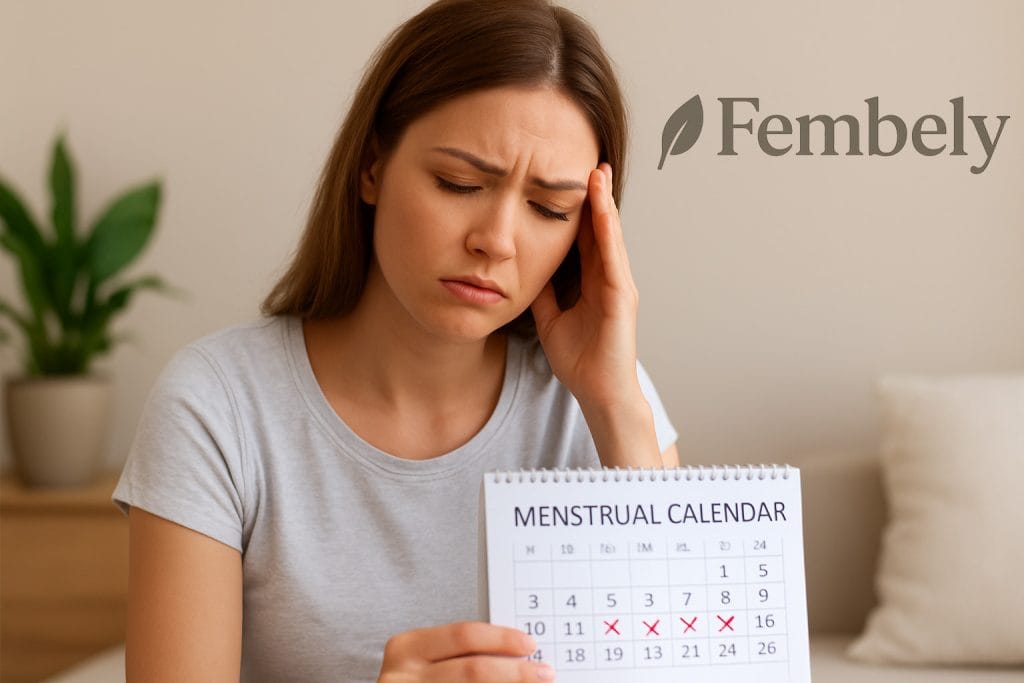
A healthy cycle is generally between 24 to 35 days. Periods that are extremely painful, unpredictable, very heavy, or missing may signal shifted levels of estrogen, progesterone, or luteinizing hormone.
2. Chronic Fatigue
Feeling tired even after sleeping? Hormones related to thyroid and cortisol may be out of rhythm.
3. Persistent Anxiety or Low Mood
Emotional shifts are one of the most overlooked Signs of Hormonal Imbalance. When progesterone dips or cortisol remains high, anxiety rises and emotional resilience drops.
4. Stubborn Weight Fluctuations
Weight gain around the stomach is often linked to cortisol imbalance. Meanwhile, difficulty gaining weight may relate to thyroid function.
5. Hair Loss or Thinning
Hormonal imbalance can disrupt hair growth cycles, especially estrogen, testosterone, and thyroid hormones.
6. Acne Along Jawline or Chin
This is one of the clearest Signs of Hormonal Imbalance, often connected to androgen dominance.
7. Trouble Sleeping
Low progesterone can make it difficult to fall asleep; high cortisol can make it easy to wake up at 3 AM.
Recommended Reading:
The Best Foods for Healthy Skin and Hair
☕ Why Stress Plays the Biggest Role
Chronic stress directly affects the Signs of Hormonal Imbalance because stress hormones (like cortisol) force other hormones to shift out of their natural cycles. Emotional overload, lack of rest, and pressure to “do more” are huge contributors.
When the nervous system stays in fight-or-flight mode, hormone-producing glands can’t function optimally.
🥗 Foods That Help Restore Hormonal Balance
Nutrition is one of the most practical ways to support hormones daily. Here are categories and examples of hormone-supportive foods:
| Support Goal | Foods to Include | Why They Help |
|---|---|---|
| Balance Estrogen | Flaxseed, chickpeas, berries, leafy greens | Provide plant-based phytoestrogens |
| Support Progesterone | Walnuts, pumpkin seeds, whole grains | Stabilize blood sugar and reduce cortisol |
| Stabilize Cortisol | Herbal teas, complex carbs, avocado | Reduce stress hormones naturally |
| Thyroid Support | Iodized salt, seaweed, eggs | Help regulate metabolism |
Eating consistently, rather than skipping meals, is also essential. Blood sugar swings are one of the leading triggers for the Signs of Hormonal Imbalance.
🌿 Lifestyle Changes That Make the Biggest Difference
1. Prioritize Gentle Movement
Yoga, pilates, walking, and low-impact workouts calm the nervous system while supporting metabolism.
2. Improve Sleep Hygiene
At least 7-8 hours nightly. Sleep is where hormone repair happens.
3. Reduce Caffeine, Especially Before 11 AM
Excess caffeine overstimulates cortisol and can amplify many Signs of Hormonal Imbalance.
4. Practice Nervous System Regulation
- Deep breathing
- Journaling
- Nature walks
- Prayer or meditation
- Taking intentional slow mornings
Small, consistent calm moments matter more than long occasional ones.
🌙 A Gentle Daily Routine to Support Hormones
| Time of Day | Habit | Why It Helps |
|---|---|---|
| Morning | Drink warm water + eat a protein-rich breakfast | Stabilizes blood sugar |
| Midday | 20-minute walk | Supports metabolism and stress regulation |
| Evening | Limit screens 1 hour before bed | Protects melatonin production |
| Night | Light stretching or calming tea | Signals the body to unwind |
This daily rhythm supports the body’s natural hormonal cycles and helps reduce the Signs of Hormonal Imbalance gradually.
💛 When to Seek Medical Insight
If symptoms are persistent and strongly disrupting your daily life (severe hair loss, very painful periods, sudden weight change), consider getting:
- Thyroid panel
- Progesterone and estrogen levels (days 18-22 of cycle)
- Cortisol awakening response test
Knowledge empowers better care.
Understanding Your Body’s Signals with Compassion
When exploring the Signs of Hormonal Imbalance, it’s important to approach your body with patience rather than pressure. Many women are conditioned to ignore their symptoms or label themselves as “too emotional” or “overreacting.” But your body is not dramatic—your body is wise. Symptoms are not flaws; they are communication. They are invitations to pause, listen, and support yourself.
Begin by journaling your physical and emotional experiences for at least one cycle. Track your sleep, mood, energy levels, cravings, stress triggers, and menstrual patterns. This creates a personal wellness map that can reveal patterns you may have overlooked. For example, you may notice anxiety rises before your period, or afternoon fatigue hits when you skip protein at breakfast, or headaches appear on days when caffeine intake is high. These patterns help you understand how your hormones respond to daily life and what adjustments could help restore balance.
It’s also helpful to explore how your lifestyle influences your hormonal rhythm. Are you constantly multitasking? Does your morning start with rushed energy? Do you feel guilty resting? Many of the Signs of Hormonal Imbalance are rooted in chronic “go-mode,” where the nervous system never gets a chance to settle. In these cases, the solution goes beyond nutrition—it includes emotional permission to slow down.
Recommended Reading:
How to Eat and Train According to Your Cycle?
Community and connection also play a major role in healing. Women are not meant to regulate stress alone. Hormones respond positively to laughter, supportive friendships, physical affection, and feeling seen. Even a simple weekly ritual—like a slow morning walk or tea with a friend—can shift cortisol levels more effectively than a strict supplement routine.
As you make adjustments, aim for gentle consistency rather than perfection. Hormone balance is not an overnight transformation; it’s a gradual softening into healthier rhythms. Choose one or two supportive practices to begin: perhaps a consistent sleep schedule and protein-rich breakfasts. Let your body adjust over weeks, not days. Small changes can create big stability when practiced with continuity and care.
Above all, remember this: there is nothing “wrong” with you. Experiencing the Signs of Hormonal Imbalance does not mean you are weak or failing. It means your body is requesting nourishment, rest, grounding, and attention. Respond with compassion. You deserve it. 🌿💗
✨ Final Thoughts
Understanding the Signs of Hormonal Imbalance allows you to reconnect with your body—not judge it. Hormones are not the enemy; they are messengers signaling what your body needs. With small, nourishing habits, supportive foods, emotional self-care, and stress reduction, your hormones can return to balance and your natural energy, glow, and confidence can return, too.
If you’d love more feminine wellness guides, visit:
https://fembely.com/ ✨💗