
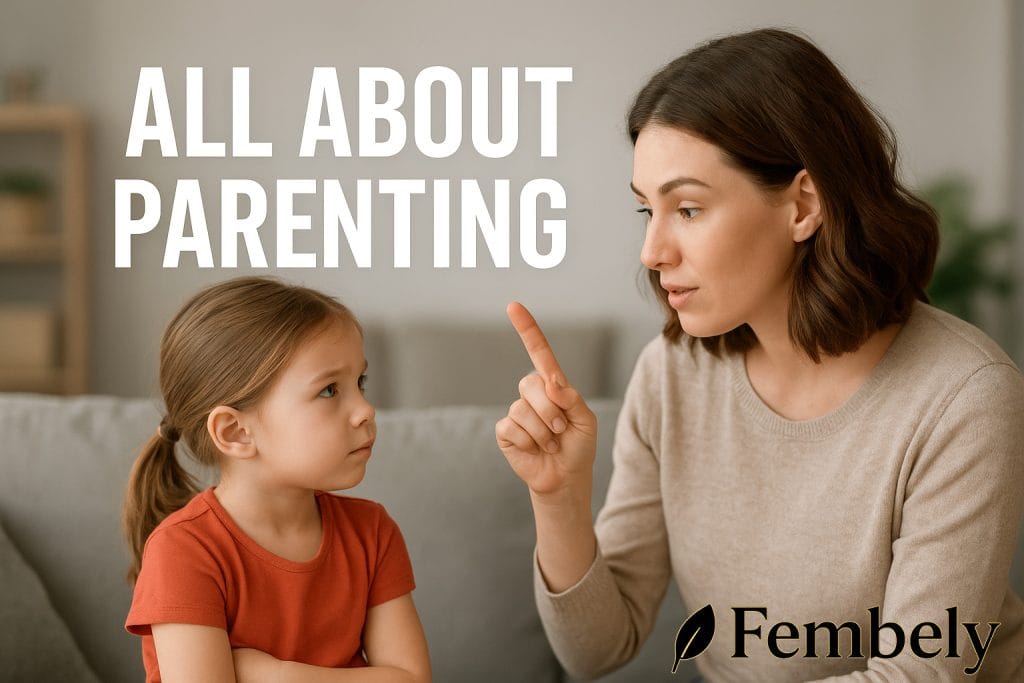
Modern Parenting for Happy and Confident Kids
All About Parenting – Parenting today is both deeply rewarding and incredibly complex. Families are navigating emotional needs, digital pressures, evolving education systems, and a fast-paced lifestyle that leaves little room for reflection. Understanding all about parenting means going beyond daily routines and embracing a mindful approach to raising children. It requires empathy, structure, connection, and awareness—qualities that help kids grow into emotionally balanced individuals who feel respected and supported.
In this comprehensive guide, we explore all about parenting through a modern, expert-level lens. From behavior, bonding, discipline, communication, and emotional intelligence to daily routines, play, safety, and the essential stuff parents need to build a healthy home environment—this article covers everything with depth and clarity. Let’s dive into a full 360-degree look at raising children consciously, confidently, and joyfully. ✨
The Heart of Parenting: Understanding Your Child Deeply 💫
At the core of all about parenting lies one fundamental truth: children thrive when they feel understood. Every child has a unique temperament—some are sensitive, others independent or highly energetic. Recognizing these traits early shapes how you communicate, motivate, and guide them.
Parents often forget that children interpret the world differently. What feels small to an adult may be overwhelming to a child. Practicing active listening, offering choices, and acknowledging feelings help children feel secure. A secure child becomes a confident adult—this is one of the most important stuff parents need to internalize from the beginning.
Understanding your child is not a one-time task; it evolves with age. Kids grow emotionally, socially, and cognitively at different speeds. Staying attentive allows you to adjust your approach as they mature.
Emotional Intelligence: The True Foundation of Parenting ✨
One of the biggest responsibilities in all about parenting is teaching emotional intelligence. Children who learn how to identify and express their emotions develop resilience, self-worth, and empathy.
Essential emotional lessons for children:
- Naming emotions (“I feel sad,” “I’m frustrated”) 💫
- Accepting feelings without shame
- Learning to pause before reacting
- Understanding how actions affect others
- Developing self-soothing strategies
Parents often focus on behavior, but behavior is simply a reflection of inner emotions. When a child acts out, they’re expressing unmet needs, confusion, or stress. Validating their emotions and guiding them through the experience is one of the most vital stuff parents need for building emotionally stable children.
Building a Strong Parent–Child Relationship ✨💫
A great relationship doesn’t happen automatically—it’s built through presence, trust, and shared experiences. When discussing all about parenting, the concept of connection is the anchor for everything else.
Ways to stay connected:
- Daily one-on-one time without interruptions
- Regularly expressing love verbally and physically
- Using gentle, respectful communication
- Encouraging open dialogue about school, friendships, and feelings
- Respecting their boundaries and privacy as they grow
A child who trusts their parents is more likely to communicate openly, ask questions, and seek help when needed. This emotional bridge is one of the key stuff parents need for raising happy, empowered kids.
Recommended Reading:
Raising Confident Kids in a Digital World
Discipline That Empowers, Not Hurts 💫
True discipline supports learning—not fear.
The most modern and effective approach in all about parenting is positive discipline, which focuses on teaching skills instead of punishing mistakes.
Principles of positive discipline:
- Clear, consistent boundaries
- Calm tone and body language
- Logical and natural consequences
- Explaining the why behind rules
- Modeling desired behavior
- Encouraging problem-solving
Children mimic what they see. If a parent reacts with anger, shouting, or impatience, the child internalizes these patterns. When a parent demonstrates respect, calmness, and logic, the child learns emotional regulation.
Discipline is one of the stuff parents need to handle thoughtfully, as it deeply impacts the child’s personality for years to come.
Becoming a Friend Without Losing Your Authority ✨
One of the most misunderstood topics in all about parenting is the balance between being a parent and being a friend. Children indeed need authority, structure, and guidance—but they also need warmth, relatability, and a sense of partnership.
How to strike the balance:
- Show empathy while keeping rules in place
- Let them express opinions freely
- Admit your own mistakes to model humility
- Be available emotionally, not just physically
- Avoid controlling—focus on guiding
Being a “friend-like parent” means being approachable. It does not mean abandoning responsibility or allowing all behavior. Healthy parenting merges authority with compassion—a combination that helps kids feel both safe and understood.
Creating a Healthy Home Environment 💫✨
A child’s surroundings shape their emotional world. In understanding all about parenting, it’s essential to build a home that encourages calmness, curiosity, growth, and connection.
Key elements:
- Predictable routines that reduce stress
- Decluttered, organized spaces that promote focus
- Nutritious meals and mindful eating habits
- Limited screen time and healthy tech rules
- Opportunities for creativity, exploration, and play
- Respectful communication among all family members
Even small changes—like shared meals, quiet evenings, or family rituals—become meaningful memories. Creating harmony at home is one of the most influential stuff parents need for raising mentally strong kids.
All About Parenting Through Different Developmental Stages ✨💫
Every stage of childhood brings new challenges, joys, and learning opportunities.
Infants
- Need safety, touch, bonding, and predictable routines
- Respond strongly to voice, tone, and facial expressions
Toddlers
- Need patience as they explore independence
- Thrive with gentle boundaries and clear routines
Young Children
- Need emotional guidance as they develop social skills
- Benefit greatly from storytelling and imaginative play
Preteens & Teens
- Need privacy, trust, and honest communication
- Respond poorly to control but positively to collaboration
Each stage requires specific stuff parents need to adapt their approach. Flexibility is key—what works for a toddler won’t work for a teenager.
Communication Skills That Transform Parenting ✨
Mastering communication is central to all about parenting. Children listen differently than adults, so clarity, patience, and tone matter immensely.
Expert communication tips:
- Speak at their eye level
- Use short, simple sentences
- Replace criticism with guidance
- Validate feelings before offering solutions
- Never use sarcasm
- Encourage their opinions and problem-solving
Good communication not only reduces conflicts but also builds self-esteem. It teaches children to express themselves with confidence and kindness.
Navigating Behavioral Challenges Gracefully 💫
Tantrums, sibling rivalry, defiance, lying, and emotional outbursts are normal—but many parents panic. Part of learning all about parenting is understanding that behavior is a message.
How to respond:
- Stay calm even when they escalate
- Identify triggers (hunger, stress, tiredness)
- Offer choices, not commands
- Teach coping strategies like breathing or counting
- Praise positive behavior deliberately
Handling challenges carefully helps children learn emotional control rather than fear punishment.
Caring for Children: Safety, Health, and Daily Routines ✨💫
A huge part of all about parenting involves practical caregiving: hygiene, nutrition, sleep, safety, education, and everyday routines.
Essentials of child care:
- Consistent sleep routines
- Healthy, varied meals
- Proper hydration
- Safe home environments
- Regular health checkups
- Age-appropriate responsibilities
These practical aspects are some of the most valuable stuff parents need to maintain a healthy lifestyle for their children.
Recommended Reading:
How to Remove Stains from Clothes
Education, Hobbies, and Skill Development ✨
Children need intellectual stimulation along with emotional support. The best parenting combines structure with freedom to explore.
Encourage:
- Reading
- Outdoor activities
- Creative arts
- Music
- Problem-solving games
- Independent tasks
Let children explore interests without pressure. This idea is central to all about parenting in today’s world—kids must feel free to experiment and evolve.
Self-Care for Parents: The Silent but Crucial Component 💫
To understand all about parenting, one must recognize that parenting is emotionally demanding. Exhausted parents struggle with patience, empathy, and consistency.
Essential self-care habits:
- Rest whenever possible
- Seek emotional support
- Delegate tasks
- Maintain personal hobbies
- Set healthy boundaries
- Practice mindfulness or short relaxation rituals
When parents are balanced, children feel calmer too. Self-care is one of the most underestimated stuff parents need, yet it influences the home environment dramatically.
Conclusion: Parenting Is a Journey of Growth—for Both You and Your Child ✨💫
Mastering all about parenting requires compassion, structure, presence, and adaptability. Children aren’t looking for perfect parents—they want parents who try, listen, and care deeply. When you combine emotional support with healthy boundaries, clear communication, and daily routines, you create a nurturing environment where kids can flourish.
With the right mindset, knowledge, and stuff parents need, you can shape a family life full of trust, connection, and joyful memories. Parenting is a journey, and every step you take shapes the future of your child.
For more empowering guides on women’s lifestyle, family well-being, and personal growth, visit https://fembely.com/ ✨💫