
Sustainable fashion for beginners guide
The Modern Woman’s Guide to Sustainable Fashion Sustainable fashion for beginners guide is no longer a niche concept reserved for activists or industry insiders; it has quietly become a practical, everyday concern for women who want their wardrobes to feel intentional, modern, and aligned with real life ✨ In a world overflowing with trends, discounts, and impulse buys, sustainable fashion for beginners guide starts not with perfection, but with awareness—of habits, choices, and the subtle impact clothing has on daily routines, confidence, and long-term style satisfaction. ━━━━━━━━━━━━━━━ Why Sustainable Fashion Feels Confusing at First For many women, the first encounter with sustainable fashion for beginners guide feels overwhelming. The advice online often sounds ideal in theory, yet disconnected from reality. Capsule wardrobes that look too minimal. Rules that feel restrictive. Expectations that assume unlimited time, money, or mental space 💫 In real life, wardrobes are shaped by: Busy schedules Changing bodies Emotional shopping habits Social expectations Seasonal lifestyle shifts This is why sustainable fashion for beginners guide should never begin with “throw everything away” or “only buy ethically made pieces.” Those approaches often backfire, leading to guilt, frustration, and eventually giving up altogether. Recommended Reading: How to Style Winter Outfits Women? ━━━━━━━━━━━━━━ The Hidden Truth: Sustainability Starts With What You Already Own One of the most overlooked foundations of sustainable fashion for beginners guide is this simple reality: the most sustainable item is the one already in your closet. Many women underestimate how much value is sitting unworn: Pieces bought for a specific event Items that no longer feel “you” but are still high quality Clothes sidelined because styling feels unclear Instead of chasing new sustainable labels, beginners benefit far more from learning how to: Re-style existing pieces Re-evaluate fit and comfort Identify what truly works in daily life This mindset shift alone dramatically reduces overconsumption—and it feels surprisingly empowering. ━━━━━━━━━━━━━━━ Why Fast Fashion Is So Hard to Let Go Any honest sustainable fashion for beginners guide must address the emotional pull of fast fashion. It’s not just about low prices; it’s about instant gratification. Fast fashion often provides: A quick confidence boost A sense of staying “current” Emotional relief after stressful days The problem is not desire—it’s the cycle. Many women notice that fast purchases lose their appeal after only a few wears, leaving closets full but wardrobes empty. Recognizing this pattern isn’t about shame. It’s about awareness. Sustainable fashion for beginners guide works best when it replaces short-term excitement with long-term satisfaction. ━━━━━━━━━━━━━━━ Learning to Shop Slower Without Feeling Deprived A common fear around sustainable fashion for beginners guide is deprivation—the idea that style will become boring or limited. In reality, slowing down often has the opposite effect. When shopping slows: Personal style becomes clearer Purchases feel more intentional Fewer items get ignored or regretted Instead of asking “Is this sustainable?” beginners can ask: Will I realistically wear this at least 30 times? Does it fit my current lifestyle, not an imagined one? Can I style it in more than one way without effort? These questions quietly filter out impulse buys without creating rigid rules ✨ ━━━━━━━━━━━━━━━ Fabric Awareness Without Becoming an Expert Many sustainable fashion for beginners guide articles overwhelm readers with fabric science. While materials matter, beginners don’t need to memorize textile textbooks. A more realistic approach: Notice how fabrics feel on the body Observe how they age after washing Pay attention to breathability and comfort Over time, patterns emerge. Some fabrics consistently feel better, last longer, and integrate more naturally into daily outfits. This experiential learning is far more sustainable than chasing perfect material lists. Recommended Reading: Sustainable Going Out Clothes: A Modern Guide to Conscious Night-Out Style ━━━━━━━━━━━━━━━ Fit, Comfort, and the Sustainability Connection One of the least discussed aspects of sustainable fashion for beginners guide is fit. Clothes that don’t fit well—no matter how ethical—rarely get worn. Many women hold onto uncomfortable items out of guilt: “It was expensive.” “It’s good quality.” “I should make it work.” But sustainability includes longevity of use. If a garment restricts movement, causes discomfort, or requires constant adjustment, it quietly undermines sustainable intentions. Learning to prioritize comfort doesn’t lower style standards—it raises them 💫 ━━━━━━━━━━━━━━━ The Role of Emotional Style Triggers A truly experience-based sustainable fashion for beginners guide acknowledges emotional triggers. Certain shopping moments repeat: Buying for a fantasy version of life Shopping during emotional lows Overbuying basics out of fear of missing out Noticing these patterns helps break them. Many women discover that their most-worn pieces weren’t trend-driven at all—they were chosen during calm, intentional moments. This awareness gradually reshapes shopping behavior without strict discipline. ━━━━━━━━━━━━━━━ Sustainable Fashion Isn’t About Minimalism Minimalism is often presented as the end goal of sustainable fashion for beginners guide, but that assumption doesn’t fit every woman. Some lifestyles require: Variety Expressiveness Mood-based dressing Cultural or professional flexibility Sustainability isn’t about owning less at all costs; it’s about owning better-for-you pieces that earn their place through repeated wear and emotional resonance. A wardrobe can be full and still sustainable—if it’s used thoughtfully. ━━━━━━━━━━━━━━━ Reframing Trends Without Rejecting Them Completely avoiding trends often feels unrealistic. A healthier sustainable fashion for beginners guide approach is selective engagement. Instead of chasing every trend: Notice which ones align with your existing style Adopt trends through accessories or styling shifts Let trends inspire rather than dictate purchases This way, trends enhance wardrobes instead of replacing them, reducing waste and regret ✨ ━━━━━━━━━━━━━━━ Care Habits That Quietly Change Everything Sustainable fashion for beginners guide isn’t just about buying—it’s about care. Many garments are discarded not because they’re worn out, but because they’re poorly maintained. Small shifts make a big difference: Washing less frequently Air-drying when possible Storing items thoughtfully Repairing minor damage early These habits extend garment life and deepen connection to what you own, turning clothes into long-term companions rather than disposable items. ━━━━━━━━━━━━━━━ When Sustainable Choices Feel Inaccessible A realistic sustainable fashion for beginners guide acknowledges financial constraints. Ethical fashion is
How to Style Winter Outfits Women?

Rethinking Winter Style: Beyond Heavy Layers How to style winter outfits women is no longer about piling on layers or hiding personal style under heavy clothing. Modern winter fashion focuses on balance—between warmth and elegance, comfort and structure, practicality and personality. When winter outfits are styled intentionally, they become powerful tools of self-expression rather than seasonal compromises ✨. Winter style today is refined, thoughtful, and deeply personal. ❄️✨❄️ Many women associate winter dressing with restriction. However, understanding style winter outfits women principles allows winter wardrobes to feel lighter, smarter, and far more creative. Winter styling today is about: Strategic layering, not bulk Texture coordination, not heaviness Proportion, not excess Once this mindset shifts, winter outfits become opportunities rather than limitations 💫. 🌬️✨🌬️ Understanding the Foundation of Winter Outfits Before exploring advanced ways to style winter outfits women, it’s essential to understand the foundation. Every successful winter look begins with strong base pieces that support layering without adding visual weight. A strong winter foundation includes: Clean silhouettes Neutral, adaptable tones Comfortable yet structured materials These elements allow winter outfits to evolve throughout the day without losing cohesion ✨. 🧣✨🧣 The Art of Layering Without Looking Bulky Layering is the core skill behind learning how to style winter outfits women effectively. The key is not how many layers are worn, but how they interact. Smart layering relies on: Thin base layers Mid-layers that add warmth without volume Outer layers that define the silhouette When done correctly, layering enhances shape instead of hiding it 💫. ❄️✨❄️ Recommended Reading: Winter Wear Outfit Ideas for Women 2026 Playing with Proportions in Winter Fashion Proportion is one of the most overlooked aspects of winter styling. Mastering style winter outfits women techniques means understanding how volume and structure balance each other. Effective proportion strategies include: Pairing oversized pieces with fitted elements Balancing long layers with cropped or structured items Creating vertical lines to elongate the body Proportion creates elegance—even in the coldest months ✨. 🧥✨🧥 Choosing the Right Color Palette for Winter Winter does not require dark or dull palettes. Modern style winter outfits women approaches embrace depth, softness, and contrast. Winter color strategies include: Layering similar tones for a refined look Using soft neutrals to brighten outfits Adding muted accents for subtle interest Color choices dramatically affect how winter outfits feel and photograph 🎨✨. 🌫️✨🌫️ Texture Mixing: The Secret to Rich Winter Outfits Texture is a powerful styling tool, especially in winter. One of the most refined style winter outfits women techniques is combining textures to create depth without visual clutter. Successful texture mixing involves: Smooth surfaces paired with tactile fabrics Matte finishes balanced with gentle sheen Structured textures softened by fluid elements Texture adds dimension where color remains minimal ✨. 🧶✨🧶 Minimalist Winter Outfits That Feel Luxurious Minimalism thrives in winter fashion. Clean lines and restrained styling make style winter outfits women appear intentional and elevated. Minimal winter styling focuses on: Fewer layers, better coordination Thoughtful repetition of tones Precision in fit and finish Minimal does not mean boring—it means confident 💫. ❄️✨❄️ Creating Feminine Winter Looks Without Sacrificing Warmth Winter femininity is subtle, not decorative. Balanced style winter outfits women concepts incorporate softness through silhouette and movement. Feminine winter styling includes: Fluid lines within structured outfits Gentle contrasts in texture Graceful layering that maintains warmth True femininity in winter is expressed through ease ✨. 🧣✨🧣 Casual Winter Outfits That Still Look Polished Casual winter outfits can still feel refined when styled intentionally. Many style winter outfits women mistakes come from treating casualwear as an afterthought. Polished casual winter outfits rely on: Clean layering Harmonized color palettes Balanced proportions Casual does not mean careless—even in winter 💫. ❄️✨❄️ Dressing for Transitional Winter Days Not every winter day requires heavy dressing. Understanding how to style winter outfits women for transitional weather is essential for comfort and versatility. Transitional winter styling includes: Modular layering Lightweight outerwear Flexible outfit combinations This approach prevents over-dressing while maintaining seasonal coherence ✨. 🌥️✨🌥️ Winter Outfit Ideas That Feel Modern and Current Fashion-forward winter styling avoids extremes. The most current style winter outfits women trends focus on subtle evolution rather than dramatic change. Modern winter outfits emphasize: Updated silhouettes Fresh layering approaches Refined simplicity Trend awareness enhances winter style without overpowering it 💫. ❄️✨❄️ Avoiding Common Winter Styling Mistakes Even well-curated wardrobes can fall into winter styling traps. Mastering style winter outfits women also means knowing what to avoid. Common mistakes include: Over-layering without intention Ignoring proportion for warmth Relying solely on dark colors Awareness leads to more confident winter outfits ⚠️✨. 🧥✨🧥 Building a Versatile Winter Wardrobe A strong winter wardrobe is adaptable. Strategic style winter outfits women planning focuses on versatility rather than quantity. A functional winter wardrobe prioritizes: Layer-friendly pieces Neutral foundations Adaptable silhouettes This allows endless outfit combinations with fewer items ✨. ❄️✨❄️ Recommended Reading: Denim Pants Outfit Ideas with a Modern Twist Styling Winter Outfits for Confidence and Comfort No winter outfit works without comfort. Successful style winter outfits women principles always respect the wearer’s movement and lifestyle. Comfort-focused styling includes: Breathable layering Flexible silhouettes Practical yet refined choices Confidence grows when comfort is not compromised 💖. 🌬️✨🌬️ Elevating Simple Winter Outfits with Intentional Styling Simple winter outfits become powerful through clarity. One of the strongest style winter outfits women lessons is learning when to stop. Intentional styling means: Editing unnecessary layers Letting one element lead Trusting simplicity Elegance often lies in restraint ✨. ❄️✨❄️ Final Thoughts on Winter Styling for Women Winter fashion is not about endurance—it is about expression. Learning how to style winter outfits women transforms cold-weather dressing into a creative, confident process. With thoughtful layering, balanced proportions, and refined color choices, winter outfits can feel just as inspiring as any other season 💫. Discover More Seasonal Style Inspiration For more fashion-forward insights and refined outfit ideas crafted for modern women, explore the latest articles at https://fembely.com/ ✨
Denim Pants Outfit Ideas with a Modern Twist

Denim Pants Outfit Ideas for Effortless Everyday Style Denim pants outfit ideas, done right are no longer limited to casual looks or predictable combinations. Today, denim has evolved into one of the most versatile fashion foundations, seamlessly transitioning from relaxed daytime styling to polished, fashion-forward ensembles. Understanding how to style denim thoughtfully allows women to create outfits that feel modern, intentional, and aligned with current trends—without sacrificing comfort or individuality ✨. Denim is no longer just a wardrobe basic; it is a style statement. When styled correctly, it reflects confidence, creativity, and a refined understanding of fashion balance. Good denim styling is never accidental—it’s curated. Why Denim Remains a Style Essential for Women Denim has endured decades of fashion evolution because it adapts. Its strength lies in its flexibility across silhouettes, aesthetics, and lifestyles. One of the most valuable denim pants outfit ideas concepts is recognizing denim as a neutral canvas rather than a casual fallback. Denim offers: Structure without stiffness Comfort without informality Versatility across seasons Modern fashion embraces denim as a key piece that can anchor both minimal and expressive looks 💫. Denim doesn’t follow trends—it absorbs them. A Visual Pause: Resetting the Denim Mindset Think of denim as your style foundation, not your limitation. This shift changes everything about how outfits are built. Understanding Denim Silhouettes Before Styling Before exploring advanced denim pants outfit ideas, it’s essential to understand silhouettes. The cut of denim dramatically influences how an outfit reads. Key denim silhouettes include: Straight-leg: balanced and timeless Wide-leg: fashion-forward and relaxed Tapered or structured: refined and clean Fluid or soft-cut denim: modern and effortless Choosing the right silhouette sets the tone for the entire look ✨. Recommended Reading: Aesthetic Outfit Ideas Female Casual Denim Styling That Still Looks Intentional Casual does not mean careless. One of the most overlooked denim pants outfit ideas is elevating everyday denim outfits through proportion and restraint. Intentional casual styling focuses on: Clean lines Balanced volume Thoughtful layering Even relaxed denim outfits should feel composed, not accidental 💫. Style Break: Casual Can Be Polished The difference between “casual” and “unstyled” is intention. Elevated Denim Looks for Modern Daywear Daywear denim styling has evolved far beyond basic combinations. Modern denim pants outfit ideas embrace refinement through subtle contrasts. Effective strategies include: Pairing denim with structured tops Mixing soft and tailored elements Using texture to add depth These choices create outfits that feel appropriate for multiple daytime settings ✨. Denim Styling for a Clean, Minimal Aesthetic Minimalism continues to dominate contemporary fashion, and denim fits seamlessly into this aesthetic. Minimalist denim pants outfit ideas rely on clarity rather than complexity. Minimal denim styling emphasizes: Neutral palettes Simple silhouettes Absence of visual noise The result is effortless sophistication 🌿. Style Note: Less Visual Noise, More Impact Minimal denim outfits are often the most memorable. Trend-Forward Denim Outfit Combinations Fashion-forward denim styling is about reinterpretation, not excess. The most current denim pants outfit ideas introduce subtle updates rather than dramatic shifts. Modern combinations focus on: Unexpected layering Refined proportions Contemporary textures These elements refresh denim without overwhelming it ✨. Denim Pants Outfit Ideas for Transitional Seasons Transitional seasons demand flexibility, and denim excels here. One of the smartest denim pants outfit ideas approaches is building outfits that adapt to shifting temperatures. Transitional styling techniques include: Lightweight layering Modular outfit components Balanced coverage Denim becomes the stabilizing element in unpredictable weather 💫. Seasonal Shift Reminder Great denim outfits move with the season, not against it. Feminine Denim Styling Without Losing Edge Denim is often associated with strength and structure, but it can also express softness. Balanced denim pants outfit ideas combine femininity and confidence. This balance is achieved through: Fluid silhouettes paired with denim Soft textures against structured fabric Gentle contrast rather than extremes The result feels modern, not stereotypical ✨. Denim Styling for Confident, Mature Looks Mature denim styling is about intention and restraint. The most effective denim pants outfit ideas avoid trend overload and focus on timeless appeal. Key principles include: Clean cuts Neutral foundations Strategic detail Confidence in denim comes from understanding when to simplify 🌿. Style Reflection Denim doesn’t need decoration to look strong—it needs clarity. Mixing Denim with Statement Pieces Statement elements and denim can coexist beautifully when balanced correctly. One refined denim pants outfit ideas approach is allowing denim to ground expressive elements. Guidelines include: One focal point per outfit Denim as the anchor Supporting pieces kept subtle This strategy maintains harmony while allowing creativity ✨. Color Strategy in Denim Styling Color plays a critical role in how denim outfits are perceived. Thoughtful denim pants outfit ideas use color strategically rather than randomly. Effective color approaches include: Monochrome denim-based looks Neutral layering for depth Soft contrast for visual interest Color clarity enhances the denim’s natural versatility 🎨. Color Pause Denim absorbs color best when the palette is intentional. Recommended Reading: Accessorizing Tips for Women, Done Right Denim Pants Outfit Ideas for Effortless Elegance Elegance in denim is achieved through restraint. The most elegant denim pants outfit ideas avoid excess and focus on balance. Elegant denim styling emphasizes: Clean silhouettes Harmonized proportions Quiet confidence Elegance is felt, not announced ✨. Common Denim Styling Mistakes to Avoid Even the most versatile fabric has limits. Understanding what to avoid sharpens denim pants outfit ideas execution. Common mistakes include: Over-layering heavy pieces Ignoring fit and proportion Relying solely on trends Awareness transforms good denim outfits into great ones ⚠️. Quick Reset When denim feels “off,” the issue is often proportion—not style. Building a Versatile Denim-Based Wardrobe A strong wardrobe starts with adaptable pieces. Smart denim pants outfit ideas prioritize flexibility over quantity. Focus on: Versatile silhouettes Neutral washes Styling adaptability This foundation supports countless outfit combinations 🌿. Confidence as the Final Styling Element No outfit works without confidence. The most successful denim pants outfit ideas reflect personal comfort and authenticity. Denim should feel natural, not forced. Confidence completes the look 💖. Final Thoughts: Redefining Denim Styling Denim is no
Accessorizing Tips for Women, Done Right✨
How to Elevate Any Outfit with the Right Accessories accessorizing tips for women have evolved far beyond the idea of simply “adding something extra” to an outfit. Today, accessories play a strategic role in shaping personal style, defining elegance, and communicating confidence. For modern women, mastering the art of accessorizing is not about owning more items, but about making intentional choices that elevate everyday looks into thoughtful expressions of individuality ✨. Accessories act as visual anchors. They guide the eye, balance proportions, and add depth to even the simplest outfits. When used correctly, they transform clothing into a complete style narrative rather than a collection of separate pieces. Style note: great accessorizing is felt before it is noticed. The Real Purpose of Accessories in Women’s Fashion Accessories are not secondary elements; they are design tools. Clothing provides structure, but accessories give personality. One of the most important accessorizing tips for women is understanding that accessories should support the outfit’s message, not distract from it. Well-chosen accessories can: Refine casual looks Add authority to professional outfits Bring softness to structured silhouettes Highlight personal taste without excess In contemporary fashion, accessories often determine whether an outfit feels intentional or incomplete 💫. Think of accessories as punctuation marks in style—they change the meaning of the sentence. Balance: The Foundation of Successful Accessorizing Balance is the principle that separates elegant accessorizing from visual overload. Every accessory adds visual weight, and knowing how to distribute that weight is essential. Key balance guidelines: Bold outfits require restraint in accessories Simple outfits can handle stronger accessory focus One statement piece should lead, others should support Ignoring balance is one of the most common mistakes women make. Applying balanced accessorizing tips for women creates harmony and sophistication without effort 🌿. When in doubt, remove one item—clarity often improves instantly. Matching Accessories to Outfit Structure The structure of an outfit determines the type of accessories it needs. Soft, flowing garments respond differently to accessories than tailored or angular pieces. For example: Fluid fabrics pair well with organic shapes Structured outfits benefit from clean, defined accessories Layered outfits require lighter visual elements One refined accessorizing tips for women approach is letting the clothing silhouette guide accessory selection rather than forcing contrast ✨. Recommended Reading: Best Accessories to Elevate Any Outfit Understanding Proportion and Scale Accessories interact directly with the body, not just the outfit. Proportion matters as much as style. Consider: Delicate frames are enhanced by lighter accessories Strong silhouettes can carry bolder designs Necklines dictate necklace length Sleeve length influences bracelet choice Ignoring proportion often leads to accessories feeling “off,” even if they are beautiful on their own. This is why proportion-based accessorizing tips for women are crucial for polished looks 💫. Accessories should echo the body’s natural rhythm. Minimalism as a Style Strategy Minimalism in accessorizing is not about having less—it’s about choosing better. A minimalist approach emphasizes clarity, intention, and versatility. Minimalist accessorizing focuses on: Neutral tones Clean lines Multi-use pieces This approach aligns perfectly with modern wardrobes and is one of the most reliable accessorizing tips for women seeking timeless elegance ✨. Minimal does not mean boring; it means deliberate. Statement Accessories: Controlled Impact Statement accessories can define an entire outfit, but only when used with precision. The mistake many women make is treating multiple items as statements at once. To use statement pieces effectively: Choose one focal accessory Keep other elements understated Let the outfit act as a backdrop Advanced accessorizing tips for women emphasize contrast and restraint over excess 🌟. Color Coordination in Accessorizing Color is one of the most powerful tools in styling, yet often misused. Accessories can either unify an outfit or disrupt it. Smart color strategies include: Repeating a subtle color already present in the outfit Using neutral accessories to ground bold clothing Introducing contrast intentionally, not randomly Color-aware accessorizing tips for women create cohesion and visual flow 🎨. Harmony feels effortless—even when it’s carefully planned. Seasonal Intelligence in Accessories Accessories naturally shift with seasons, both in material and visual weight. Seasonal awareness includes: Lighter textures and tones for warm months Richer materials and depth for cooler seasons Seasonally appropriate accessorizing tips for women keep outfits feeling current and refined all year long 🍂🌸. Day-to-Night Accessorizing Techniques One of the smartest ways to extend a wardrobe is through strategic accessorizing. Accessories can completely shift an outfit’s tone. Effective transitions include: Replacing functional accessories with refined ones Adding one elevated focal piece Simplifying rather than layering These adaptable accessorizing tips for women allow versatility without wardrobe overload 💫. Recommended Reading: Future of Skincare Technology Cultural Identity and Personal Expression Accessories often carry meaning beyond aesthetics. They may represent heritage, memories, or personal milestones. True style emerges when accessories feel authentic. The most meaningful accessorizing tips for women encourage personal expression over imitation ✨. Style becomes powerful when it tells a story. Common Accessorizing Mistakes Women Make Even stylish outfits can lose impact due to small missteps. Avoid: Over-accessorizing layered outfits Ignoring outfit context Choosing trend over proportion Wearing accessories that limit comfort Awareness of these mistakes sharpens how accessorizing tips for women are applied in real life ⚠️. Building a Smart Accessory Wardrobe A thoughtful accessory collection values versatility over quantity. Focus on: Timeless shapes Neutral foundations A few expressive accents This approach reflects mature, strategic accessorizing tips for women who value longevity 🌿. Confidence: The Final Layer of Style No accessory replaces confidence. When a woman feels comfortable and aligned with her style, accessories naturally enhance rather than compensate. The most important accessorizing tips for women always return to self-assurance 💖. Conclusion: Accessories as Intentional Design Accessories are not afterthoughts; they are style decisions. When chosen intentionally, they elevate outfits, express identity, and create visual balance. By applying these accessorizing tips for women, fashion becomes less about accumulation and more about refinement, awareness, and confidence ✨. More Refined Style Inspiration For more fashion and lifestyle insights curated with elegance and intention, explore the latest articles
Future of Skincare Technology
How Technology Is Transforming Skincare future of skincare technology has moved from fanciful promise to everyday reality — and yet the most exciting chapter may still lie ahead. In this era of rapid scientific progress and consumer demand for smarter self-care, the future of skincare technology blends engineering, biology, and data to create targeted, effective, and more meaningful skin solutions. This article examines the devices and scientific advances already changing the field, explains what research has added to our understanding, and outlines the directions the industry is likely to take next. ✨ A quick orientation: why the future of skincare technology matters now The intersection of wellness culture, longer lifespans, and digital health has accelerated investment and innovation in skin science. People no longer accept one-size-fits-all regimens; they expect systems that learn from their skin, respond to environmental inputs, and integrate seamlessly into daily life. The future of skincare technology is therefore not just about gadgets — it’s about reshaping how we evaluate, treat, and maintain skin health at scale. 💫 Recommended Reading: Understanding Natural Beauty Concepts: A Modern Guide to Authentic Elegance Where we are today: the devices and tools shaping the field The current landscape already features a layered ecosystem of tools used in clinics, dermatology practices, and at home. These technologies form the foundation for the next wave of innovation. Clinical and in-office innovations driving the future of skincare technology Clinical-grade devices bring controlled, measurable interventions that extend far beyond topical creams. Today’s portfolio includes energy-based treatments that selectively target skin structures, diagnostic imaging that reads tissue conditions in real time, and delivery platforms that improve how active ingredients reach their targets. These solutions have raised standards for efficacy and safety, creating a scientific baseline for consumer products. 👩⚕️ At-home devices and consumer electronics in the future of skincare technology Home devices have matured from novelty items to legitimate skincare tools. Consumers now use light-based therapies, microcurrent tools, and sonic cleansers with measurable outcomes. The gap between professional and at-home care is narrowing — in many cases, home devices complement clinical regimens rather than replace them. This democratization of technology is a key theme in the future of skincare technology narrative. 🏠 Diagnostic tools and skin assessment platforms Objective measurement is essential. Noninvasive scanners, multispectral imaging, and mobile-enabled diagnostic apps capture skin parameters (hydration, pigmentation, barrier integrity) and translate them into actionable recommendations. These diagnostics turn subjective impressions into data — a prerequisite for personalization and continuous improvement. 📊 What science has added: from molecules to mechanisms Technological progress depends on scientific discovery. Over the past decade, researchers have deepened our understanding of skin biology and delivery science in ways that directly inform device and product design. Material science and delivery systems Novel biomaterials and carrier technologies have improved stability and penetration of active molecules. Nano-encapsulation, smart polymers, and bioadhesives enable controlled release and targeted delivery — reducing waste and enhancing effectiveness. These advances strengthen the bridge between topical actives and device-enabled delivery in the future of skincare technology ecosystem. 🧪 Microbiome research The skin microbiome is no longer an abstract concept; it is a measurable ecosystem influencing barrier function, inflammation, and even visible aging. Interventions that modulate microbial communities — whether through prebiotic formulations or microbiome-friendly device settings — are now evidence-based strategies that shape product development and device programming. 🌿 Cellular and molecular diagnostics Molecular assays, transcriptomic profiling, and biomarkers for inflammation or barrier disruption are translating into refined diagnostics. This shift from phenotype to molecular phenotype allows treatments to be matched more precisely to underlying causes rather than surface symptoms — a hallmark of what the future of skincare technology promises. 🔬 Data, AI, and personalization: the technological triad Data capture and intelligent processing are the engines that turn devices and discoveries into personalized care. AI-powered skin assessment and recommendation engines Machine learning models trained on thousands of images and clinical outcomes can classify conditions, predict responses, and recommend regimens. AI helps parse complex variables — genetics, environment, lifestyle — to propose bespoke routines. As these systems improve, they enable a shift from generic advice to dynamic, evidence-driven plans. 🤖 The role of continuous monitoring Wearable sensors and integrated apps allow continuous tracking of UV exposure, humidity, and behavior. This context-rich data enables adaptive interventions: for example, adjusting antioxidant delivery after high UV days. Continuous monitoring is a cornerstone capability when imagining the future of skincare technology as an ongoing, responsive service. ⏱️ Privacy, data quality, and ethical AI With personalization comes responsibility. High-quality datasets, transparent algorithms, and robust privacy protections are essential. Ethical considerations — avoiding biased models, securing sensitive health data, and ensuring interpretability — will shape consumer trust and regulatory approval for AI-driven skin technologies. 🔐 Clinical-to-consumer convergence: hybrid care models The fastest-moving innovations blur professional and consumer boundaries. Hybrid treatment pathways Patients increasingly experience blended journeys: an in-clinic procedure followed by a connected device and app-driven home maintenance plan. This continuity increases long-term efficacy and fosters adherence. The future of skincare technology will likely favor platforms rather than isolated products — ecosystems that combine consultation, in-office interventions, and at-home maintenance. 🔁 Teledermatology and remote supervision Remote consultations and image-based triage expand access to care. Combined with device-derived metrics, telehealth can provide clinicians with reliable data to guide adjustments without in-person visits. This reduces friction and scales expertise beyond clinic walls. 🌐 Sustainability and ethical manufacturing Technological advancement must marry responsibility. Eco-conscious device design As consumers demand greener products, device makers are rethinking materials, energy efficiency, and lifecycle impacts. Refillable cartridges, recyclable components, and repairable designs reduce environmental footprints. Responsible manufacturing will be a competitive differentiator in the future of skincare technology market. ♻️ Ingredient stewardship Alongside devices, formulations are evolving to prioritize biocompatible, sustainably sourced actives. Delivery efficiency reduces ingredient waste, and longer-lasting device solutions can reduce overall material consumption compared with disposable product cycles. 🌱 Regulation, standards, and validation Technologies that touch health will face scrutiny — and that’s a
Understanding Natural Beauty Concepts
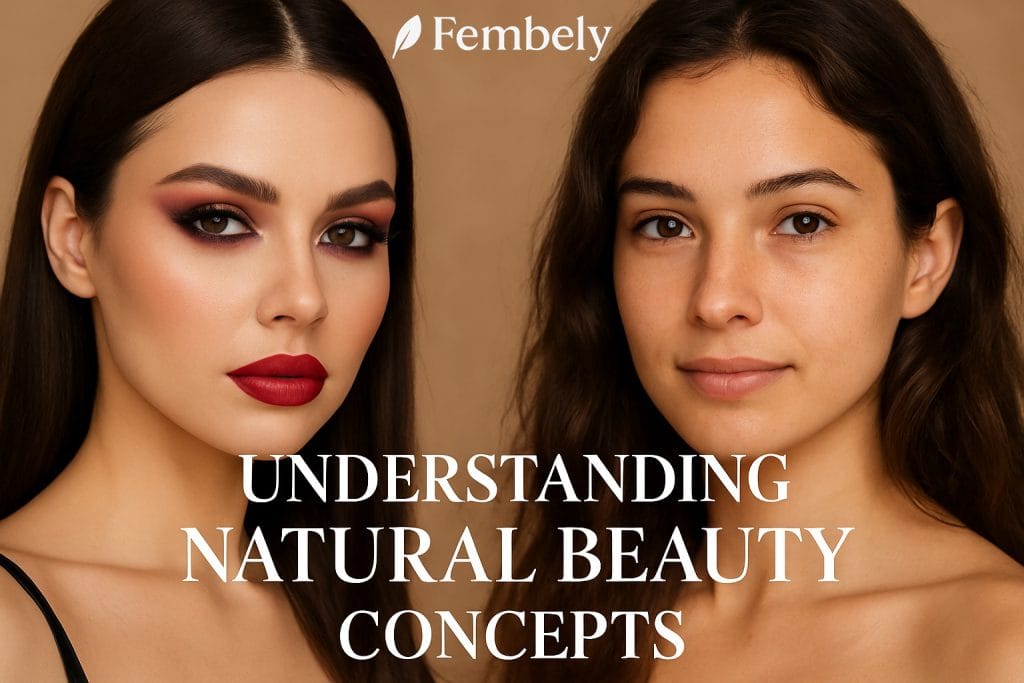
What Natural Beauty Really Means Today Understanding Natural Beauty Concepts with fembely – In a world increasingly shaped by filters, fast trends, and ever-changing beauty standards, the conversation around authenticity has never been more urgent. Women today are redefining what it means to feel beautiful—not by adding more, but by embracing less. Understanding natural beauty concepts is no longer a niche idea; it has become a powerful movement that blends self-awareness, confidence, cultural identity, and conscious lifestyle choices. This article explores the deeper meaning behind natural beauty, its philosophical roots, cultural significance, and how it stands in contrast to heavy makeup, perfection culture, and unrealistic ideals. Through a refined and thoughtful lens, understanding natural beauty concepts allows women to reconnect with their real selves—gracefully, confidently, and unapologetically 💫. What Is Natural Beauty? A Clear and Modern Definition 🌿 At its core, natural beauty refers to the appreciation of one’s authentic physical appearance, enhanced minimally—or not at all—by external modifications. It celebrates individuality, natural features, and the subtle uniqueness that makes each woman distinct. However, understanding natural beauty concepts goes far beyond “no makeup” or bare skin. It includes: Comfort in one’s natural skin texture and tone Acceptance of facial features without the need for alteration Confidence rooted in self-care rather than concealment A balanced relationship with beauty routines Natural beauty is not about rejecting cosmetics entirely. Instead, it prioritizes intention over excess and harmony over transformation ✨. Natural Beauty vs Clean Beauty vs Organic Beauty: Key Differences Explained One of the most common misconceptions is using these beauty terms interchangeably. While they are related, they represent different ideas. Natural Beauty Focuses on appearance, mindset, and self-expression. It is philosophical and emotional rather than product-driven. Clean Beauty Refers to formulations that avoid controversial ingredients. It’s about safety and transparency, not necessarily minimalism. Organic Beauty Centers on ingredient sourcing—natural, organic, or plant-based materials used in products. Understanding natural beauty concepts means recognizing that natural beauty is a personal philosophy, while clean and organic beauty are technical product categories. A woman can practice natural beauty without following any specific product trend—and that distinction matters 🌱. Recommended Reading: Naturally Glossy Mascara Replacement The Philosophy Behind Natural Beauty 💭 The philosophy of natural beauty is rooted in authenticity, mindfulness, and self-respect. It challenges the idea that beauty must be fixed, perfected, or constantly improved. Key philosophical pillars include: Acceptance over correction Enhancement over disguise Longevity over trends Inner confidence over external validation By understanding natural beauty concepts, women shift from asking “How do I look?” to “How do I feel in my own skin?”—a far more powerful question ✨. Cultural and Social Perspectives on Natural Beauty 🌍 Beauty standards are deeply influenced by culture, history, and social narratives. Across different societies, natural beauty has taken many forms: In some cultures, it represents maturity and wisdom In others, it reflects simplicity and modesty Modern global culture increasingly associates it with confidence and self-assurance Social media has both challenged and complicated these views. While it has amplified unrealistic ideals, it has also created space for conversations around understanding natural beauty concepts, diversity, and representation. Today, women are reclaiming the narrative—choosing authenticity over approval 💫. Natural Beauty vs Heavy Makeup: A Balanced Comparison 💄 Heavy makeup has long been associated with glamour, transformation, and artistic expression. Natural beauty, on the other hand, values subtlety and restraint. Heavy Makeup Often Emphasizes: Dramatic contouring Full coverage Trend-driven aesthetics Natural Beauty Prioritizes: Skin health and texture Soft definition Facial harmony Understanding natural beauty concepts does not dismiss makeup—it redefines its purpose. Makeup becomes a tool for expression, not a mask for insecurity ✨. Minimalism in Beauty: Less, but Better 🤍 Minimalism is one of the strongest expressions of natural beauty. It is not about deprivation—it is about clarity. A minimalist beauty approach includes: Simplified routines Thoughtful choices Focus on skin, hair, and overall wellness By embracing minimalism, women practicing understanding natural beauty concepts reduce pressure, save time, and reconnect with themselves—both visually and emotionally 🌿. Self-Acceptance and the Meaning of Real Beauty 💖 At the heart of natural beauty lies self-acceptance. Real beauty begins when a woman stops negotiating her worth with the mirror. Self-acceptance involves: Embracing imperfections Letting go of comparison Recognizing beauty as dynamic, not fixed Understanding natural beauty concepts teaches that confidence is not something applied—it is cultivated. When women accept themselves fully, beauty becomes effortless and deeply personal ✨. Why Natural Beauty Resonates with Modern Women Today’s women seek depth, balance, and meaning. Natural beauty aligns with modern values such as: Sustainability Mental well-being Authentic self-expression Rather than chasing ideals, women are choosing alignment. Understanding natural beauty concepts empowers them to define beauty on their own terms—without apology 💫. Recommended Reading: Reindeer Makeup: The Ultimate Festive Beauty Guide How to Embrace Natural Beauty in Everyday Life 🌸 Adopting a natural beauty mindset doesn’t require drastic change. Small, intentional shifts make a lasting difference: Focus on consistent self-care Use beauty routines as rituals, not obligations Choose comfort and confidence over trends The goal is not perfection—but presence. And that is the true essence of understanding natural beauty concepts ✨. The Emotional Impact of Choosing Natural Beauty Women who align with natural beauty often report: Reduced beauty anxiety Increased self-confidence A healthier relationship with appearance This emotional shift reinforces why understanding natural beauty concepts is as much about mental wellness as it is about aesthetics 💭. The Future of Beauty Is Natural 🌿 As beauty culture evolves, authenticity is becoming the ultimate luxury. The future belongs to women who feel comfortable being seen as they are—without filters, without excess. By understanding natural beauty concepts, women step into a more empowered, conscious, and confident version of themselves—one that values truth over trends and presence over performance ✨. Final Thoughts: Redefining Beauty on Your Own Terms 💫 Natural beauty is not a rulebook—it is a reflection. It mirrors how women see themselves, care for themselves, and honor their individuality. When women commit to understanding natural
Reindeer Makeup: The Ultimate Festive Beauty Guide

Reindeer Makeup for a Festive Winter Look Introduction: Why Reindeer Makeup Is the Star of Winter Beauty Trends 💫 As winter celebrations approach, beauty trends shift toward warmer tones, playful creativity, and nostalgic charm. One look that captures all of this effortlessly is reindeer makeup. Inspired by the gentle, magical presence of reindeer during the festive season, this makeup style blends softness, warmth, and fantasy into one captivating aesthetic. Reindeer makeup is more than a seasonal trend—it’s a celebration of femininity, creativity, and joyful self-expression. Whether styled subtly for a cozy winter gathering or enhanced dramatically for festive photos, this look continues to charm beauty lovers across all ages. In this complete guide, you’ll discover what reindeer makeup truly is, why it works so beautifully, and exactly how to create it step by step with precision and elegance. What Is Reindeer Makeup? Understanding the Aesthetic ✨ At its core, reindeer makeup is a festive beauty style inspired by natural woodland tones and whimsical holiday imagery. It typically features warm brown hues, soft contouring, glowing skin, doe-like eyes, playful freckles, and a subtly flushed nose that mimics the innocent charm of a winter reindeer. What makes reindeer makeup so appealing is its versatility. It can be: Soft and natural for daytime winter looks Playful and cute for themed events Glamorous and artistic for editorial or social media visuals Unlike costume makeup, reindeer makeup focuses on enhancing facial features rather than masking them, which makes it wearable, elegant, and surprisingly flattering. Why Works So Beautifully on All Skin Types 💫 One of the strongest advantages of reindeer makeup is its adaptability. Because it relies on earthy tones, soft blending, and natural finishes, it complements a wide range of skin tones and textures. Key reasons why reindeer makeup is universally flattering: Warm brown shades enhance natural undertones Soft contouring creates gentle definition Glowing skin gives a youthful, healthy appearance Rounded eye techniques make the face look softer and more approachable This makes reindeer makeup especially popular among women seeking a festive look that remains refined and wearable. Skin Preparation ✨ Flawless skin is essential for achieving balanced and elegant reindeer makeup. The goal is natural radiance rather than heavy coverage. Essential Skin Prep Steps Start with well-cleansed, hydrated skin Apply a lightweight moisturizer to create a smooth base Use a primer that enhances glow without shine Opt for a foundation that evens the complexion while allowing skin texture to show In reindeer makeup, skin should appear soft, warm, and almost porcelain-like—never overly matte or cakey. Recommended Reading: White Hair Care: A Complete Guide for Mature Women Creating a Warm and Natural Base 💫 The complexion in reindeer makeup is designed to resemble natural winter warmth. Base Makeup Techniques Use a medium-coverage foundation with a natural finish Apply concealer only where needed to maintain softness Set lightly with translucent powder, focusing on the center of the face Add warmth using a soft bronzer along cheekbones, temples, and jawline This warmth is essential—it forms the canvas that makes reindeer makeup feel cozy and seasonal. Contouring and Blush: Sculpting the Reindeer Effect ✨ Soft sculpting is a defining feature of reindeer makeup. Contour Tips Use subtle brown tones rather than harsh contour shades Blend seamlessly into the base for a natural shadow effect Avoid sharp lines—everything should look diffused Blush Placement Apply blush slightly higher on the cheeks for a lifted look Choose warm peach or muted rose tones Add a touch across the nose bridge for a cold-weather flush This technique gives reindeer makeup its signature cute and youthful charm. Eye Makeup : Soft, Doe-Like Eyes 💫 Eyes are the heart of reindeer makeup. The goal is to create a wide-eyed, gentle expression. Eyeshadow Colors Warm browns Soft taupes Subtle gold or champagne shimmer Application Technique Blend a medium brown shade through the crease Add a lighter shimmer to the center of the lid Keep edges soft and rounded Avoid sharp winged liner Mascara should emphasize length and curl rather than drama. In reindeer makeup, eyes should look innocent, not intense. Recommended Reading: Step-by-Step Guide to Flawless Foundation Application Brows in this Makeup: Natural and Softly Defined ✨ Brows play a subtle but important role in reindeer makeup. Best brow practices: Keep brows fluffy and natural Avoid heavy sculpting Use soft strokes to mimic hair texture Set brows upward for a gentle, lifted effect Overly bold brows can overpower the softness that defines reindeer makeup. Freckles and the Signature Nose: The Iconic Reindeer Touch 💫 No reindeer makeup look is complete without its most recognizable elements. Freckles Lightly dot freckles across cheeks and nose Keep spacing irregular for realism Blend gently so they look natural Nose Blush Apply a soft rosy or warm red tone to the tip of the nose Blend outward subtly Keep it sheer and diffused This detail gives reindeer makeup its playful, festive identity without appearing costume-like. Lips : Soft, Balanced, and Feminine ✨ Lips in reindeer makeup should complement the eyes and skin, not overpower them. Recommended lip styles: Soft nude shades Warm pink tones Glossy or satin finishes Avoid overly dark or bold lips. Reindeer makeup thrives on harmony and softness. Highlighter and Glow: Capturing Winter Light 💫 Glow is essential to elevate reindeer makeup from cute to magical. Where to highlight: Tops of cheekbones Bridge of the nose Inner corners of the eyes Cupid’s bow Use finely milled highlighter for a candlelit effect rather than intense shine. When and Where to Wear Reindeer Makeup ✨ Reindeer makeup is surprisingly versatile and suitable for: Holiday gatherings Winter parties Festive photoshoots Cozy seasonal events Creative social content It can be toned down or enhanced depending on the occasion, making reindeer makeup a reliable seasonal favorite. Common Mistakes to Avoid in Reindeer Makeup 💫 To keep reindeer makeup elegant: Avoid harsh contour lines Don’t overdo the nose color Skip heavy eyeliner Keep shimmer controlled Balance is what makes reindeer makeup look chic rather than theatrical. Final Thoughts:
White Hair Care: A Complete Guide for Mature Women ✨
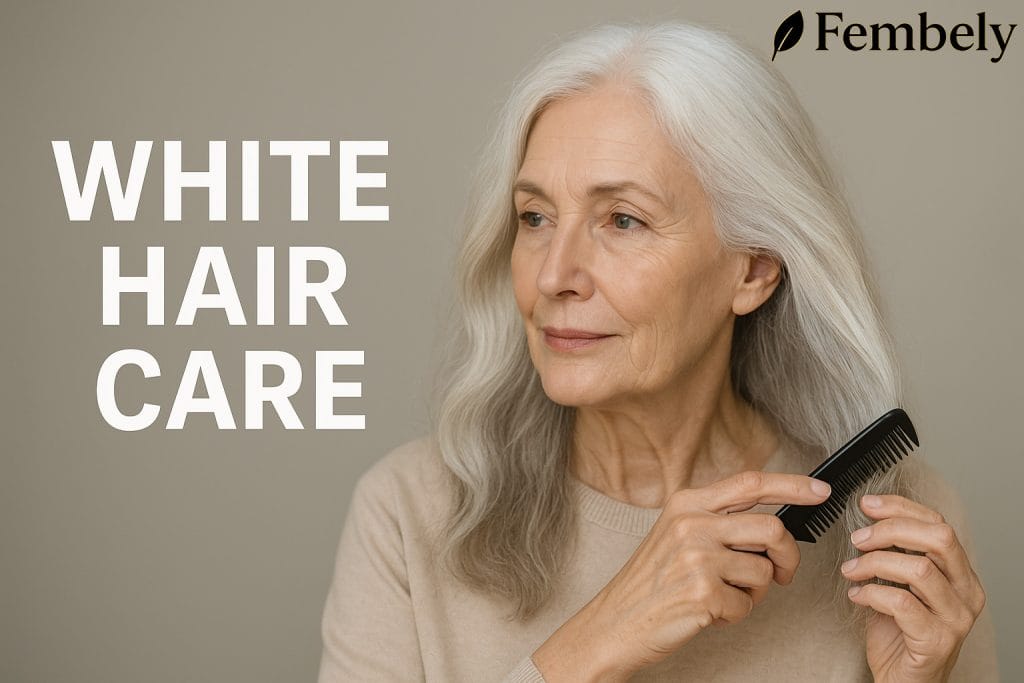
White Hair Care Tips for Mature Women ✨ Introduction: Embracing Beauty Through Thoughtful White Hair Care 💫 White hair is no longer something to hide. Today, it represents confidence, experience, and timeless elegance. However, caring for white hair requires a different, more intentional approach than caring for pigmented strands. As hair loses melanin with age, its texture, moisture balance, and resilience naturally change. This is where white hair care becomes not just a routine, but a refined ritual. For mature women, understanding the unique needs of white hair is essential to maintaining softness, shine, and overall hair health. From dryness and yellowing to increased fragility, white hair presents challenges that can be beautifully managed with the right knowledge. This in-depth guide is designed to provide expert-level insights into white hair care, focusing on nourishment, protection, and graceful aging—without relying on brand-driven advice. Understanding the Nature of White Hair 🕊️ Before building an effective routine, it is important to understand how and why white hair behaves differently. Why Hair Turns White Hair turns white when melanin production in the hair follicle slows down or stops entirely. While genetics play the strongest role, hormonal changes, oxidative stress, and natural aging all contribute. Once melanin is lost, the hair strand becomes more vulnerable to external factors. Structural Changes in White Hair White hair often feels coarser or drier because sebaceous glands produce less natural oil with age. Additionally, the hair cuticle may become rougher, reducing shine and increasing susceptibility to breakage. Effective white hair care addresses these structural changes with targeted hydration and gentle handling. Common Challenges in White Hair Care 🌿 Mature women frequently notice several recurring issues once hair turns white. Recognizing them early allows for better prevention. Dryness and Lack of Shine Without melanin, hair reflects light differently, often appearing dull. Moisture loss is the primary cause, making hydration a cornerstone of white hair care. Yellowing and Discoloration Environmental pollution, hard water minerals, heat styling, and even sunlight can cause white hair to develop yellow or grayish tones over time. Increased Fragility White hair is often finer and more brittle, meaning aggressive brushing or tight hairstyles can lead to breakage. Recommended Reading: The Ultimate Blonde Hair Care Guide for Radiant, Healthy & Luminous Hair Building a Thoughtful White Hair Care Routine 💆♀️ Consistency and gentleness define an effective routine. Mature hair thrives when treated with patience and care. Cleansing: Less Is More Overwashing strips hair of essential oils. Washing two to three times per week is usually sufficient for most women. Focus on scalp health while allowing the lengths to be cleansed gently. Use lukewarm water, as hot water opens the cuticle excessively, leading to moisture loss. This simple habit significantly improves long-term white hair care results. Conditioning for Lasting Moisture Conditioning is not optional—it is essential. After every wash, apply a rich, nourishing conditioner focusing on mid-lengths and ends. Leave it on long enough for the hair shaft to absorb moisture fully. Deep conditioning once a week helps restore elasticity and smoothness, two key pillars of advanced white hair care. Natural Ingredients That Support White Hair Care 🌸 Mature hair responds especially well to natural, nutrient-rich ingredients that reinforce hydration and strength. Oils for Softness and Protection Lightweight natural oils help replenish lost lipids and protect the hair cuticle. A few drops applied to damp hair can seal in moisture and reduce frizz. Botanical Extracts for Scalp Health A healthy scalp is the foundation of effective white hair care. Ingredients derived from plants can soothe dryness, support circulation, and maintain balance without irritation. Protein-Rich Treatments White hair benefits from occasional protein treatments to strengthen weakened strands. Balance is key—too much protein can cause stiffness, so moderation is essential. Preventing Yellowing in White Hair ☀️ One of the most common concerns among mature women is maintaining a clean, luminous white tone. Environmental Protection Exposure to pollution and UV rays accelerates discoloration. Wearing hats outdoors and rinsing hair after exposure to environmental stressors can make a visible difference in white hair care. Heat Styling Awareness Excessive heat can cause white hair to yellow and weaken over time. Air-drying whenever possible and limiting heat tools preserves clarity and strength. Water Quality Matters Mineral-heavy water can leave residue on white hair. Occasional clarifying treatments help remove buildup and restore brightness. Styling Tips Tailored to White Hair 💫 White hair has a unique texture that can be enhanced with thoughtful styling choices. Gentle Styling Techniques Avoid tight hairstyles that pull on fragile strands. Soft waves, loose buns, and layered cuts work beautifully with white hair’s natural movement. Volume Without Damage As hair thins with age, volume becomes a priority. Lightweight styling approaches that lift at the roots without stiffness support elegant white hair care. Embracing Texture White hair often has a naturally refined texture. Working with it—rather than against it—results in a more polished and youthful appearance. Nutrition and Lifestyle for Healthy White Hair 🥗 True hair care begins from within. External treatments are most effective when supported by a healthy lifestyle. Nutrients That Support Hair Strength A balanced diet rich in vitamins, minerals, and healthy fats contributes directly to stronger, shinier hair. Hydration also plays a critical role in overall white hair care. Stress Management Chronic stress affects scalp health and hair quality. Mindful practices such as gentle movement, relaxation, and adequate sleep indirectly support healthier hair growth. Seasonal White Hair Care Adjustments 🍂❄️ Hair needs change throughout the year, and white hair is especially sensitive to seasonal shifts. Cold Weather Care Dry air can intensify brittleness. Richer conditioning treatments and reduced washing frequency help protect moisture levels. Warm Weather Care Sun exposure and sweat can impact tone and texture. Lightweight hydration and protective measures keep white hair care effective year-round. Recommended Reading: The Best Natural Facial Cleanser for Mature Skin Common Mistakes to Avoid in White Hair Care 🚫 Even well-intentioned routines can cause harm if not properly balanced. Overusing harsh treatments that strip moisture Excessive brushing
The Best Natural Facial Cleanser for Mature Skin
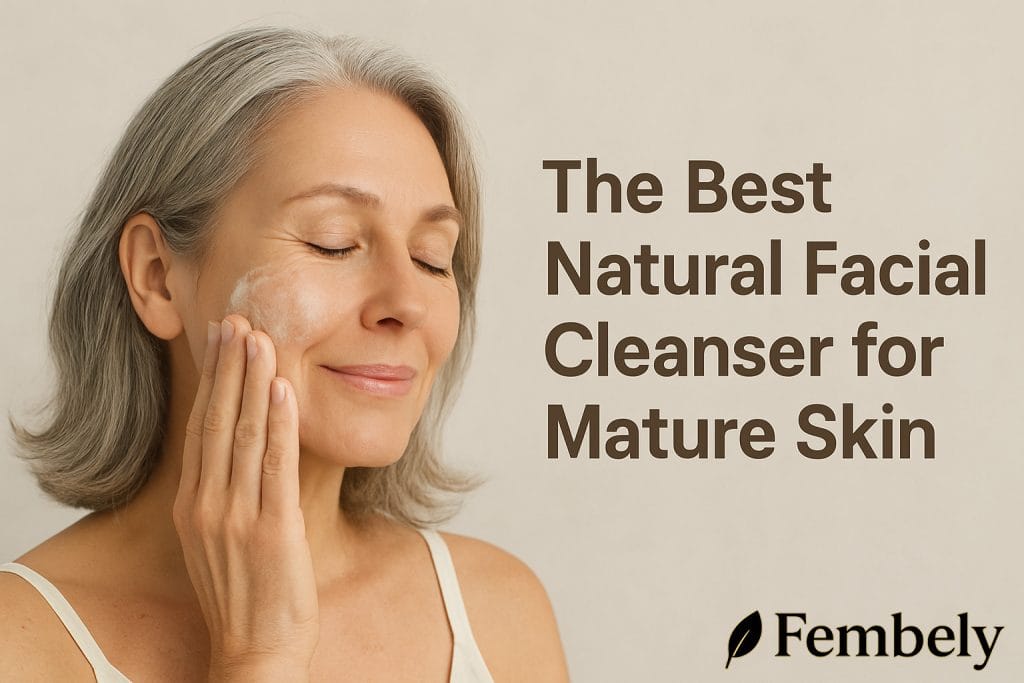
Natural Cleansers for Mature Skin Care ✨ Introduction: A Thoughtful Approach to Cleansing Mature Skin and best Natural Facial Cleanser 💫 As skin matures, its needs become more nuanced, refined, and deeply individual. Years of environmental exposure, hormonal changes, and natural collagen loss gradually reshape the skin’s texture, resilience, and moisture balance. In this stage of life, cleansing is no longer a basic routine—it is a ritual that sets the tone for everything that follows. Choosing The best natural facial cleanser for mature skin is about honoring the skin’s evolving biology while preserving comfort, radiance, and long-term health 🌿. Unlike younger skin, mature skin often struggles with dryness, sensitivity, uneven tone, and a weakened barrier. Harsh surfactants, aggressive exfoliants, and synthetic fragrances can quietly accelerate visible aging. This is why a natural, ingredient-conscious approach is no longer optional—it is essential. Understanding how to select The best natural facial cleanser for mature skin empowers women to cleanse without compromise, supporting renewal rather than stripping vitality . In this in-depth guide, we explore how mature skin behaves, which natural ingredients truly make a difference, what to avoid, and how to build a cleansing ritual that aligns with elegance, science, and longevity. This is not about trends—it is about timeless skin intelligence 💫. Understanding Mature Skin and Its Cleansing Needs 🌸 Mature skin is not defined by age alone, but by physiological changes that occur over time. Reduced sebum production, slower cell turnover, and a gradual decline in natural lipids make the skin more vulnerable to dehydration and irritation. This is why selecting The best natural facial cleanser for mature skin requires a deeper understanding than simply choosing a “gentle” formula ✨. Key Characteristics of Mature Skin 🌿 Increased dryness and tightness, especially after cleansing 💧 Thinner skin with reduced elasticity Higher sensitivity to synthetic ingredients Dullness caused by slower exfoliation cycles Greater susceptibility to environmental stressors A cleanser for mature skin must respect these realities. It should cleanse effectively without disrupting the lipid barrier, soothe rather than刺激, and prepare the skin for nourishment. This balance is precisely what distinguishes The best natural facial cleanser for mature skin from conventional cleansers 🌸. Recommended Reading: Best Skin Rejuvenation Treatments Why Natural Ingredients Matter More With Age 💫 Natural skincare is often misunderstood as being less effective. In reality, nature offers bio-compatible compounds that work in harmony with mature skin. As skin ages, its ability to recover from irritation decreases, making naturally derived ingredients not just preferable—but protective 🌿. Choosing The best natural facial cleanser for mature skin means prioritizing ingredients that cleanse through affinity rather than force. Plant-based oils, botanical extracts, and gentle cleansing agents help dissolve impurities while reinforcing the skin’s own defense systems ✨. Benefits of Natural Cleansing for Mature Skin 🌸 Supports the skin barrier instead of weakening it Reduces the risk of inflammation and micro-irritation Preserves natural moisture levels Enhances long-term skin comfort and glow Natural cleansers do not shock the skin—they collaborate with it. This philosophy is at the heart of The best natural facial cleanser for mature skin 🌿. Essential Qualities of the Ideal Cleanser for Mature Skin ✨ Not all natural cleansers are created equal. Mature skin requires a formula that meets several precise criteria. Understanding these qualities helps narrow down what truly qualifies as The best natural facial cleanser for mature skin 💫. 1. Ultra-Gentle Cleansing Action 🌿 The cleanser should remove impurities without foam-heavy surfactants. Low-lather or creamy textures are often more compatible with mature skin . 2. Barrier-Respecting Formulation 💧 A healthy barrier is essential for youthful-looking skin. The cleanser should leave skin feeling soft—not squeaky or tight . 3. Natural Humectants and Emollients 🌿 Ingredients that attract and retain moisture are vital. They help counteract age-related dryness while maintaining comfort . 4. Soothing Botanical Support ✨ Mature skin benefits from calming plant extracts that reduce redness and reinforce resilience . A cleanser that meets all these criteria earns its place as The best natural facial cleanser for mature skin 🌿. Powerful Natural Ingredients That Support Mature Skin Nature offers an impressive library of ingredients uniquely suited for mature skin. These elements cleanse while nourishing, protect while renewing ✨. Plant Oils With Cleansing Affinity Certain natural oils bind to impurities and dissolve them gently. They help cleanse without disturbing moisture levels 🌿. Botanical Extracts With Age-Supporting Benefits Herbal extracts known for calming, antioxidant, and restorative properties help mature skin feel balanced and protected ✨. Natural Sugars and Amino-Based Cleansers These mild cleansing agents are derived from natural sources and mimic the skin’s own structure, making them ideal for daily use 🌿. When these ingredients are thoughtfully combined, they create The best natural facial cleanser for mature skin—one that cleanses with intelligence rather than aggression 💫. Ingredients Mature Skin Should Avoid 🚫 Knowing what not to use is just as important as knowing what to seek. Mature skin has less tolerance for disruption, making certain ingredients particularly problematic 🌸. Common Irritants to Avoid ✨ High-foaming synthetic surfactants Artificial fragrance compounds Harsh exfoliating particles Alcohol-heavy formulations Avoiding these helps preserve the integrity of the skin barrier and ensures that The best natural facial cleanser for mature skin remains truly supportive 🌿. Texture Matters: Choosing the Right Cleanser Format 💫 Texture influences how a cleanser interacts with mature skin. Creams, milks, balms, and oil-based cleansers often provide greater comfort than gels or foams ✨. These formats melt into the skin, lifting impurities while maintaining hydration. Selecting the right texture is a subtle but powerful step toward finding The best natural facial cleanser for mature skin 🌸. How to Cleanse Mature Skin Correctly 🌿 Even the most perfect cleanser can fall short if used incorrectly. Mature skin benefits from mindful, gentle techniques ✨. Best Cleansing Practices Use lukewarm water only Massage gently using upward motions Limit cleansing to twice daily Pat dry with a soft towel These habits enhance the effectiveness of The best natural facial cleanser for mature skin and prevent unnecessary stress 💫.
Signs of Pregnancy After Having a Period

Pregnancy Signs After a Period Signs of Pregnancy After Having a Period – Understanding the earliest physical shifts in the body is one of the most important parts of reproductive awareness. Many women assume that a menstrual bleed means pregnancy is impossible for that cycle — yet the human body is far more complex. In fact, signs of pregnancy after having a period are more common than most people realize, especially when the bleeding encountered isn’t a true menstruation but rather implantation spotting, hormonal irregularities, or a short anovulatory cycle. This fully detailed guide breaks down everything women need to know. From the biology behind early conception to the subtle physical cues, emotional patterns, and hormonal responses, this article offers a deep, practical, magazine-quality breakdown designed to empower readers with clarity. 💫 Why Understanding Early Pregnancy Matters ✨ While most health articles offer generic overviews, many women still report confusion when trying to interpret signs of pregnancy after having a period. That’s because the female body does not follow perfect textbook patterns. Hormonal fluctuations, lifestyle pressures, stress, irregular ovulation, and even light hormonal bleeds can mimic menstruation. Recognizing body signals early offers several benefits: Helps women make informed health choices Allows earlier lifestyle adjustments Supports emotional preparedness Reduces confusion caused by unexpected symptoms Encourages proactive reproductive care Understanding these details builds confidence and helps women form a healthy connection with their bodies. ✨ How Pregnancy Can Occur Even After a Recent Bleed 💫 Many factors can cause a woman to see signs of pregnancy after having a period, especially when that “period” wasn’t an actual menstrual cycle. Biological explanations include: Implantation Spotting vs. Menstrual Bleeding Some women mistake implantation bleeding — which is usually lighter and shorter — for a regular period. If conception has already occurred, pregnancy symptoms may appear a few days later. Irregular Ovulation Stress, intense exercise, or hormonal imbalances may cause ovulation to occur earlier or later than usual. If ovulation shifts, a bleed may not indicate the start of a new cycle but simply hormonal shedding. Hormonal Withdrawal Bleeds Certain hormonal fluctuations can lead to light shedding without releasing an egg. This means pregnancy can still occur shortly after. Very Short Cycles Some women naturally have shorter cycles, which increases the possibility of seeing signs of pregnancy after having a period even within the same month. These situations can create confusion — but knowing the difference helps women read their bodies more accurately. ✨ Recommended Reading: How to Cope with Baby Blues and Anxiety? Most Common Signs of Pregnancy After Having a Period ✨ Here are the leading physical and emotional indicators women should pay attention to. Each one can appear individually or combined, depending on the body’s response to hormonal change. 1. Unusual Fatigue and Energy Drops Feeling unusually tired is one of the earliest signs of pregnancy after having a period. Progesterone rises sharply after conception, slowing down the body’s metabolism and increasing the need for rest. Women often describe this fatigue as: Heavy eyelids throughout the day Difficulty focusing The need to nap unexpectedly Reduced stamina during normal activities Fatigue related to hormonal change tends to be deeper and more persistent than regular tiredness. 💫 2. Heightened Breast Sensitivity Breast tenderness, tingling, and fullness can begin even before a missed period — and they are common signs of pregnancy after having a period when a woman has mistaken implantation spotting for menstruation. Typical sensations include: Soreness around the nipples Visible changes in areola darkness Breast swelling Sharp sensitivity when touched These changes occur because estrogen and progesterone increase rapidly at the start of pregnancy. ✨ 3. Nausea or Changes in Appetite It’s not always “morning sickness.” Many women experience nausea in the afternoon or evening. Food aversions or new cravings may also appear. These shifts usually begin when hCG levels rise, which is why they may show up shortly after a misleading bleed. 4. Subtle Abdominal Cramping Mild uterine cramping or pressure is another early indicator of pregnancy. If cramping occurs without a typical period flow, it may signal implantation or uterine expansion — both part of signs of pregnancy after having a period. These cramps may feel like: Light tugs Low pelvic heaviness Gentle pulsating sensations Pulling in the lower abdomen They usually differ from period cramps, which tend to be stronger and more rhythmic. 💫 5. Sudden Mood Swings Hormonal shifts can significantly affect mood. If a woman experiences: Irritability Unexpected emotional shifts Extra sensitivity Sudden anxiety or calmness shortly after a supposed period, these can be subtle signs of pregnancy after having a period. Progesterone, hCG, and estrogen influence neurotransmitters that regulate emotional responses. 6. Increased Sense of Smell Heightened sensitivity to scents — perfume, food, cleaning products — is one of the most classic early pregnancy symptoms. Women frequently report this just a week or two after conception. 7. Frequent Urination The body increases blood flow during early pregnancy, making the kidneys work harder. This symptom often begins before a missed period, making it one of the earliest signs of pregnancy after having a period if the initial bleed wasn’t true menstruation. 8. Light Spotting Some women continue to have light spotting after implantation. If the spotting appears lighter, shorter, or different in color than a normal period, it may signal an early pregnancy. 9. A Feeling of “Something Is Different” Many women intuitively notice subtle internal changes before any overt symptoms appear. A sense of internal shift, heightened awareness, or hormonal sensitivity can be one of the earliest signs of pregnancy after having a period. Understanding the Difference Between a True Period and Pregnancy-Related Bleeding ✨ Distinguishing between these two is crucial — and it’s one of the main reasons women experience confusion. Menstrual Bleeding Is Typically: Heavier Lasts 3–7 days Includes consistent flow Accompanied by stronger cramps Pregnancy-Related Bleeding Is Typically: Pink, light red, or brown Much lighter Shorter, often lasting 24–48 hours Not accompanied by typical menstrual pain When trying to identify signs of