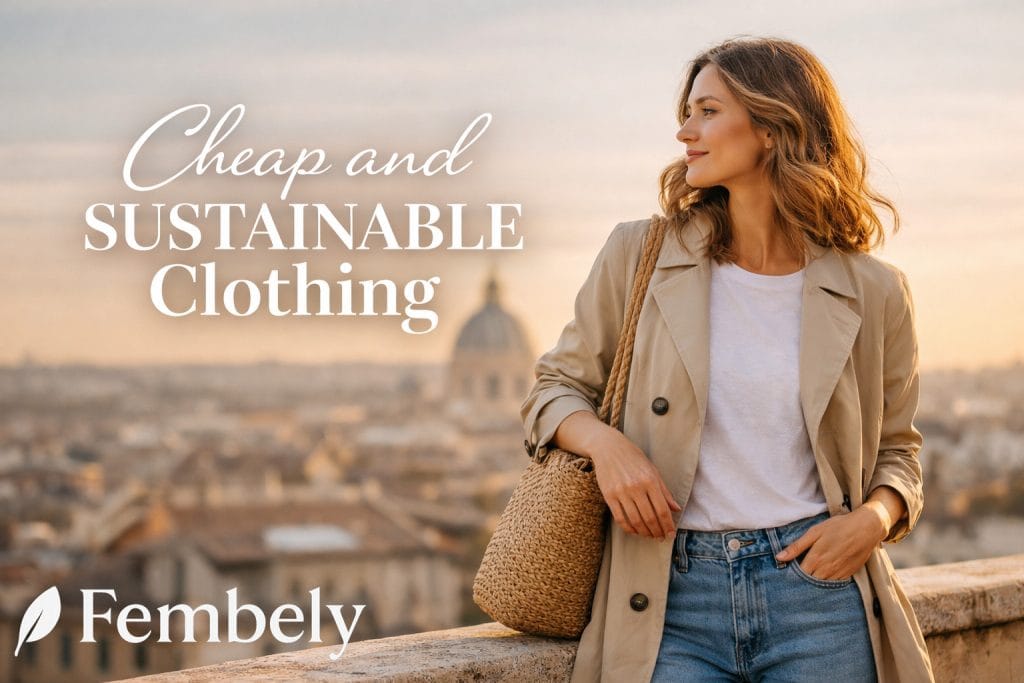
Cheap and Sustainable Clothing: The New Language of Smart, Modern Style
Cheap and sustainable clothing has quietly become the new definition of intelligent style, reshaping how women build wardrobes that feel current, responsible, and genuinely personal without draining their budgets. The old assumption that sustainability requires luxury price tags is fading fast, replaced by a more practical, grounded reality: thoughtful choices, long-term thinking, and a sharper eye for quality often matter far more than the number on the receipt.
For many women, the turning point comes in small, familiar moments—standing in front of a closet full of items that felt irresistible in-store but strangely uninspiring at home, or realizing that a supposedly “affordable” piece has already lost its shape after three washes. These experiences have sparked a new curiosity: is it possible to dress well, spend less, and still feel aligned with more conscious values?
The answer lies in a quieter, more deliberate approach to cheap and sustainable clothing—one that focuses less on trends and more on longevity, adaptability, and everyday practicality. ✨
Why Cheap and Sustainable Clothing Is Redefining Modern Wardrobes
For years, sustainability was framed as an exclusive club. Organic fabrics, ethical production, and eco-conscious labels were often presented as luxury features, accompanied by intimidating price tags. This narrative created a subtle but powerful barrier: many women assumed that responsible fashion simply wasn’t accessible to them.
In reality, cheap and sustainable clothing has always existed in the margins of everyday life. It appears in carefully chosen basics that last for years, in secondhand discoveries that feel more unique than anything on a new rack, and in simple garments that adapt to different seasons and moods.
The modern wardrobe is no longer about endless novelty. Instead, it revolves around versatility—pieces that transition from casual mornings to late dinners, from one season to the next. When clothing serves multiple roles, the need for constant replacement quietly disappears.
💫
The Emotional Shift Behind Smarter Fashion Choices
There is often a psychological element behind overconsumption. Many impulse purchases happen in moments of stress, boredom, or comparison. A sale sign, a viral outfit, or a passing trend can create a temporary sense of urgency that fades as soon as the item is worn once or twice.
Cheap and sustainable clothing challenges this cycle. It replaces the thrill of short-lived purchases with a calmer, more satisfying sense of ownership. A well-chosen piece that works across different outfits creates a deeper kind of confidence—one rooted in consistency rather than constant change.
The Hidden Cost of “Cheap” Fast Fashion
The term “cheap” has long been associated with disposable fashion. Many low-priced garments are produced quickly, with little attention to durability, fabric quality, or construction. At first glance, these pieces seem like smart deals. But over time, their true cost becomes clear.
A dress that stretches out after two wears or a sweater that pills within a month often ends up at the back of the closet—or in the trash. The cycle repeats: another purchase, another disappointment, another quiet sense of wasted money.
This is where the idea of cheap and sustainable clothing takes on deeper meaning. True affordability is not about the lowest initial price; it’s about the cost per wear. A slightly more expensive item that lasts three years is often far more economical than several cheap pieces that last only one season.
💫
Why “Low Price” and “Low Value” Are Not the Same
Many women discover that the most affordable items in their closets are not necessarily the cheapest ones they bought. A simple cotton shirt that still looks good after countless washes becomes a quiet favorite, while trend-driven pieces quickly lose their appeal.
Cheap and sustainable clothing focuses on value rather than price alone. It prioritizes fabrics that age well, cuts that remain relevant, and colors that blend easily with other pieces.
Recommended Reading:
Sustainable fashion for beginners guide
How to Recognize Truly Cheap and Sustainable Clothing
Spotting quality doesn’t require expert-level knowledge. It often comes down to a few subtle details that become obvious with a little attention.
Fabric That Feels Alive, Not Fragile
Natural and durable fabrics tend to age more gracefully. They soften over time instead of deteriorating. When a garment feels sturdy yet comfortable, it usually signals better longevity.
Seams That Tell a Story
Turning a piece inside out can reveal more than any label. Even stitching, reinforced seams, and secure hems often indicate thoughtful construction. These small details make a major difference in how long an item survives everyday wear.
Shapes That Outlast Trends
Cheap and sustainable clothing often avoids extreme silhouettes. Instead of exaggerated cuts that quickly feel outdated, it leans toward balanced shapes—pieces that can be styled differently across seasons.
💫
The Role of Secondhand and Pre-Loved Fashion
One of the most practical ways to embrace cheap and sustainable clothing is through secondhand shopping. Thrift stores, vintage shops, and clothing swaps offer a surprisingly rich landscape of options.
Many women find that pre-loved pieces feel more personal. They carry subtle signs of life: a softened fabric, a unique button, or a slightly faded hue that no mass-produced item can replicate. These characteristics often add character rather than detract from it.
Secondhand shopping also shifts the emotional relationship with clothing. Instead of chasing trends, the process becomes more about discovery—finding something unexpected that fits naturally into an existing wardrobe.
Building a Wardrobe Around Cheap and Sustainable Clothing
A sustainable wardrobe is rarely built overnight. It evolves gradually, shaped by small decisions rather than dramatic overhauls.
Start With the Most-Worn Pieces
The items worn most often—everyday tops, comfortable trousers, neutral dresses—deserve the most attention. Investing in better-quality versions of these staples usually brings the highest return.
Let Go of the “One-Time Outfit” Mentality
Many closets contain pieces bought for a single occasion: a party dress, a vacation top, or a trendy jacket. These items often remain untouched afterward. Cheap and sustainable clothing encourages pieces that work across multiple contexts.
A simple dress, for example, can feel different with sandals, boots, or a belt. This adaptability turns one garment into several outfit possibilities.
💫
The Quiet Power of a Limited Color Palette
When colors naturally complement each other, mixing and matching becomes effortless. This reduces the urge to buy additional items just to complete an outfit. Neutral tones, soft earth shades, and muted hues often create the most versatile combinations.
Common Mistakes That Undermine Sustainable Style
Even with the best intentions, certain habits can quietly sabotage a wardrobe.
Buying in Bulk During Sales
Discount racks can be tempting, especially when prices seem irresistible. But purchasing multiple items simply because they’re cheap often leads to clutter rather than satisfaction.
Ignoring Fit in Favor of Price
An ill-fitting garment rarely becomes a favorite, no matter how affordable it was. Cheap and sustainable clothing prioritizes comfort and fit, ensuring that pieces are actually worn.
Treating Clothing as Disposable
When items are seen as temporary, they are often washed carelessly, stored improperly, or worn beyond their limits. Gentle care routines—like air drying and mindful storage—can dramatically extend a garment’s life.
💫
The Subtle Luxury of Repetition
There was a time when repeating outfits was considered a fashion misstep. Social media amplified this pressure, creating the illusion that a constantly changing wardrobe was the norm.
But today, repetition is quietly becoming a symbol of confidence. Wearing the same beloved coat or dress in different ways signals a sense of personal style that doesn’t depend on endless novelty.
Cheap and sustainable clothing embraces this idea fully. It celebrates garments that become part of daily life—pieces that feel familiar, reliable, and uniquely yours.
Seasonal Shopping With a Long-Term Mindset
Seasonal trends can be inspiring, but they often come with a short lifespan. A more balanced approach involves selecting only those trends that naturally fit into an existing wardrobe.
For example, instead of buying an entire new outfit for a seasonal look, a single accessory or lightweight layer can refresh familiar pieces. This approach keeps style evolving without unnecessary spending.
💫
Why Cheap and Sustainable Clothing Feels More Personal
A thoughtfully built wardrobe tends to reflect real life more accurately than a trend-driven one. It includes clothes that work for busy mornings, unpredictable weather, and spontaneous plans.
Over time, each piece accumulates memories—days at work, casual evenings, long walks, and unexpected moments. These experiences give clothing a deeper emotional value, turning it into something more meaningful than a passing trend.
Recommended Reading:
Trending Summer Outfits for Women
What to Buy for a Cheap and Sustainable Wardrobe
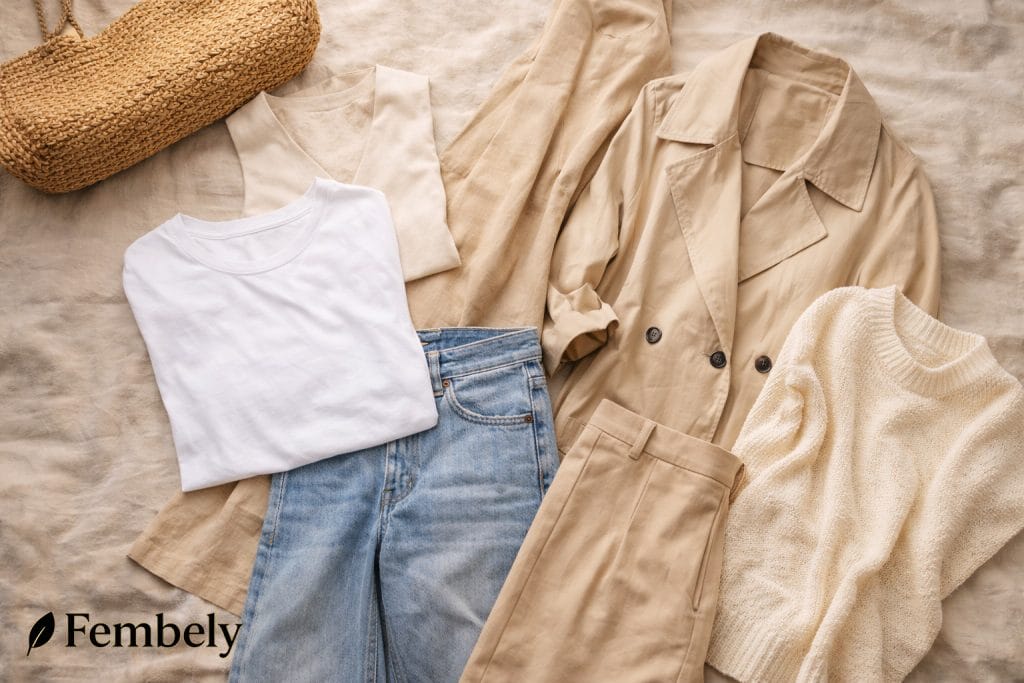
Building a wardrobe around cheap and sustainable clothing doesn’t mean owning fewer beautiful pieces—it means choosing the right ones. The smartest closets are usually built on a small selection of items that work across seasons, occasions, and moods.
Timeless Cotton T-Shirts
Simple, well-cut cotton T-shirts in neutral shades are often the backbone of cheap and sustainable clothing. They pair easily with skirts, trousers, or denim, and they rarely feel outdated. When the fabric is breathable and the cut is clean, a single T-shirt can last for years.
Relaxed, Well-Fitting Denim
A pair of comfortable, durable jeans is one of the most cost-effective investments in cheap and sustainable clothing. Straight or slightly relaxed cuts tend to stay relevant longer than extreme silhouettes, making them easier to wear across different trends.
A Versatile Neutral Dress
A neutral-toned dress that can be styled up or down becomes one of the most valuable pieces in any wardrobe. It can work with sandals in summer, boots in colder months, or layered with knitwear. This adaptability is at the heart of cheap and sustainable clothing.
Lightweight Knitwear
A simple cardigan or pullover in a soft, durable fabric often becomes a daily essential. It can be worn over dresses, paired with denim, or layered under coats. Pieces like this reduce the need for multiple seasonal purchases.
Comfortable, Multi-Use Trousers
Trousers that work both casually and semi-formally offer strong value. Neutral shades like beige, navy, or charcoal tend to mix easily with other items, making them ideal for cheap and sustainable clothing strategies.
A Classic Outer Layer
Instead of buying several trendy jackets, a single well-cut coat or lightweight jacket can serve for multiple seasons. A timeless silhouette ensures the piece stays relevant year after year.
The Future of Fashion Is Practical, Not Perfect
Sustainability is often portrayed as an all-or-nothing lifestyle. But real wardrobes rarely function that way. Most women balance budgets, changing body shapes, evolving tastes, and busy schedules. Perfection is neither realistic nor necessary.
Cheap and sustainable clothing offers a more flexible path. It allows room for gradual change, thoughtful choices, and small improvements over time. Even minor adjustments—choosing one better-quality item instead of several disposable ones—can make a noticeable difference.
💫
A Smarter Approach to Style That Lasts
At its core, cheap and sustainable clothing is not about strict rules or rigid ideals. It’s about creating a wardrobe that supports real life—one that feels comfortable, adaptable, and genuinely satisfying.
When clothing is chosen with care, it tends to stay in rotation longer. Outfits become easier to assemble, shopping becomes less stressful, and the overall relationship with fashion grows calmer and more intentional.
Instead of chasing every trend, the focus shifts toward building a personal style that evolves slowly and naturally.
A Final Thought
A thoughtful wardrobe does not require endless spending or constant change. Sometimes, the most stylish choices are also the simplest: buying less, choosing better, and wearing each piece with intention.
For more modern style insights, wardrobe ideas, and thoughtful fashion perspectives, explore more inspiring reads at **https://fembely.com/ style meets intelligence, confidence, and everyday practicality. ✨💫